

Paid Search for Personal Injury Firms
Turning Clicks into Case Leads
At Timmermann Group, our personal injury PPC agency helps law firms attract high-value leads through strategic targeting, conversion-driven ad copy, and compliant, data-backed campaign management.
We know the stakes are high, and so is the competition. That’s why every campaign we run is designed to outsmart competitors, not outspend them.

Personal Injury PPC Services
A Full-Funnel, Full-Service PPC Strategy for Personal Injury Firms
PPC Strategy & Campaign Planning
Every campaign begins with clarity and precision. We identify high-intent searches, like “injury lawyer after car accident” or “best personal injury attorney near me,” and map them to conversion-focused ad groups. From budget allocation to geographic targeting, our strategy ensures your ads appear where they’ll have the greatest impact.
Keyword Research & Competitor Analysis
Success starts with the right keywords. We use advanced research tools and competitive insights to identify the most profitable search terms across your practice areas. By balancing cost-per-click with conversion likelihood, TG helps you bid strategically, not blindly, ensuring your personal injury law PPC investment drives qualified leads, not wasted spend.
Ad Copywriting & Creative Development
Your ad copy is your first impression, and in a competitive personal injury market, it has to count. Our in-house writers craft compliant, conversion-focused copy that strikes a balance between urgency and empathy. Every headline, call-to-action, and ad extension is carefully crafted to inspire trust and drive clicks that ultimately lead to consultations.
Landing Page Optimization
Clicks mean nothing without conversions. We design and optimize landing pages that are fast, mobile-responsive, persuasive, and legally compliant. Each page is strategically structured to drive contact form submissions, click-to-calls, and scheduled consultations, all while delivering a seamless user experience that builds confidence.
Bid Management & Budget Optimization
Personal injury law PPC markets are among the most competitive in digital advertising. That’s why we continuously monitor and adjust bids to ensure your budget is spent efficiently and effectively. Using smart bidding strategies, dayparting, and audience segmentation, TG optimizes spend to capture the most valuable leads at the lowest possible cost.
Reporting & Analytics
Transparency is critical in PPC campaigns. We provide detailed performance reports that outline key metrics, including leads generated, cost per case inquiry, and ROI trends. Our team analyzes the data to deliver actionable insights and next-step recommendations, ensuring real results guide every decision.
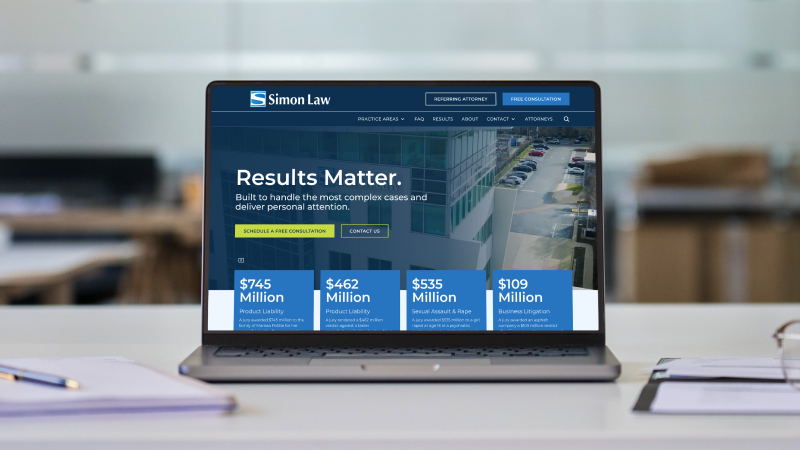
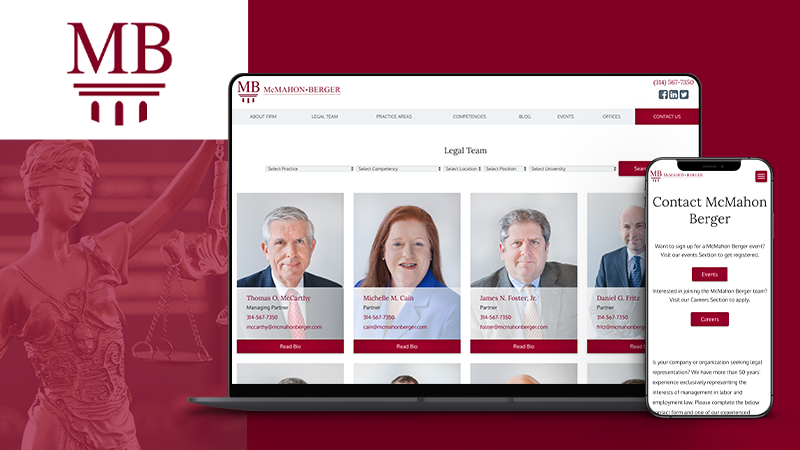
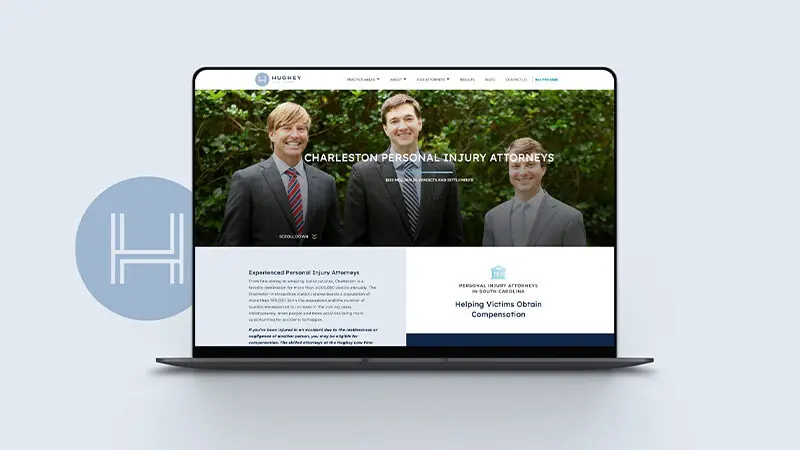
Personal Injury Law Firms We’ve Helped

Awards & Recognition
Marketing Excellence for Personal Injury Law

Inc.
Inc. 5000 - Fastest-Growing Private Companies

The Creative Excellence Awards
Website Design

dotCOMM Awards
Digital Marketing & Communication Campaigns – SEO Campaign

Graphic Design USA
Branding + Identity
Have a Question About Personal Injury Lawyer PPC?
If you have a question about Timmermann Group’s marketing services and aren’t ready to schedule a free consultation, fill out this form and a member of our team will be in touch shortly.
Fill out the form below and a member of our team will respond shortly.
"*" indicates required fields
At Timmermann Group, We
We Understand the High Stakes of Personal Injury Advertising
We Focus on Cost-Effective Case Acquisition
We Combine Empathy with Data-Driven Precision
We Know Legal Advertising Compliance Inside & Out
We Deliver Transparent, ROI-Focused Reporting
We Bring 20+ Years of Proven Legal Marketing Experience
Getting Started
What to Expect With Personal Injury PPC Services
A successful PPC process starts with more than launching ads and waiting for leads. For personal injury law firms, every step needs to connect your ad spend to the right cases, locations, and search intent. Here is a breakdown of what you can expect when you start a new PPC campaign with Timmermann Group.
-
01 Kick-Off & Discovery
The process begins with a kick-off meeting to understand your firm’s goals, service areas, case priorities, intake process, and marketing budget. This is where we clarify what types of cases matter most, such as car accidents, truck accidents, wrongful deaths, or other high-value personal injury matters. We also review how your team handles calls, forms, and free consultation requests so the campaign is built around real client acquisition, not just clicks.
-
02 Account & Market Review
Next, we review your current Google Ads account, existing PPC campaigns, landing pages, conversion tracking, and competitive landscape. If you have run PPC ads before, we look for wasted ad spend, expensive keywords that are not converting, poor search queries, and gaps in campaign structure. We also evaluate how other personal injury lawyers compared in your market are positioning their ads.
-
03 Keyword & Search Intent Strategy
The keyword strategy focuses on high-intent searches from potential clients actively seeking legal help. This includes terms like car accident lawyer, car accident attorney, accident lawyer, and local keywords tied to your practice area and geography. We use tools like Google Keyword Planner and search volume data to understand demand, but we do not rely solely on volume. The goal is to separate valuable ppc keywords from generic keywords that attract unqualified leads.
-
04 Campaign Structure & Budget Planning
From there, we create separate campaigns based on practice area, location, and intent. A PPC ad campaign for car accident cases should not be lumped together with every other personal injury keyword. Clear structure helps control cost per click, improve ppc performance, and give each targeted campaign a more targeted audience. This also helps determine how ad spend should be allocated across Google Ads, Local Services Ads, search campaigns, and, when appropriate, social media platforms or video ads.
-
05 Ad Creative & Messaging
Once the structure is defined, we write ad copy that speaks directly to the searcher’s problem. Personal injury lawyer ads need to be clear, specific, and action-oriented without relying on legal jargon. The ad should quickly communicate why someone should contact your firm, what kind of help you provide, and what step they should take next. A clear call to action, such as scheduling a free consultation, helps move mobile users and desktop users from the search results page to your firm.
-
06 Launch, Monitor & Refine
After launch, we monitor how the ad performs, which search queries trigger ads, how much advertisers pay per click, and whether the campaign is attracting the right personal injury clients. Early optimization often includes adding negative keywords, adjusting match types like exact match, improving click-through rate, and shifting spend away from similar keywords that are not producing results.
-
07 Reporting & Continued Optimization
Reporting connects PPC advertising to business outcomes. That means looking beyond impressions and more traffic to understand which campaigns are producing more qualified leads, consultations, and signed cases. Ongoing optimization includes reviewing cost per click, average cost per click, conversion rates, search results, budget pacing, keyword performance, and lead quality. PPC for personal injury works best when reporting leads directly into continued campaign improvements.
More Ways to Grow Your Firm
Explore Additional Legal Marketing Services
Personal Injury SEO
PPC brings immediate visibility, while SEO builds long-term authority. Our personal injury search engine optimization services ensure your firm dominates both paid and organic search results for maximum exposure and lead generation.
Learn MorePersonal Injury Website Design
Your website is the destination for every ad click. We build high-performing, conversion-focused sites that back your PPC investment with fast load times, intuitive UX, and persuasive design.
Learn MorePersonal Injury Social Media Marketing
Paid social can complement your PPC efforts with retargeting, brand awareness, and audience engagement. Togethery, they create a full-funnel marketing strategy that keeps your firm top-of-mind when clients are ready to reach out.
Learn MoreAnalytics & Reporting
Our cross-channel analytics bring every marketing effort together. We evaluate performance across PPC, SEO, and social to deliver a holistic understanding of your ROI and uncover new opportunities for growth.
Learn MoreFrequently Asked Questions
Learn More About PPC Ads, What They Do Best, and How Support Your Firm's Growth
PPC, or pay-per-click advertising, allows personal injury law firms to show ads when potential clients search for legal help on search engines like Google. Instead of waiting for organic SEO to build over time, PPC ads can place your firm near the top of the search results for high-intent searches. For example, someone searching for a car accident attorney or lawyer may be ready to contact a firm now, making those searches valuable.
The process starts with selecting the right keywords, building targeted campaigns, writing ad creative, and creating landing pages that match the searcher’s needs. The firm only pays when someone clicks the ad, but that does not mean every click is valuable. That is why campaign structure, negative keywords, and conversion tracking matter.
For personal injury lawyers, the goal is not simply to get more traffic. The goal is to attract quality leads from people who need legal services and are likely to become viable cases. PPC campaigns should be managed around intake quality, consultation requests, signed cases, and client acquisition, not just impressions or clicks.
There is no universal PPC budget that works for every personal injury firm because cost depends heavily on location, competition, case type, and growth goals. A firm in a highly competitive metro area may need a much larger ad spend than a firm in a smaller market. Personal injury keywords can also have a high cost per click because multiple law firms are often competing for the same high-intent searches.
The more important question is not only how much to spend, but how the budget is allocated. A PPC ad campaign should be built around the case types that matter most to the firm, whether that means car accident cases, truck accident cases, wrongful death claims, or another high-value practice area. Budget should also be monitored against lead quality, not just clicks.
For personal injury lawyers, PPC works best when the budget is large enough to generate useful data, but controlled enough to avoid wasted spend. Ongoing optimization should help shift money toward keywords, ads, and landing pages that produce more qualified leads and potential signed cases.
Personal injury PPC campaigns are competitive because many law firms are targeting the same high-value prospects simultaneously. A person searching for a car accident lawyer, accident attorney, or personal injury lawyer may be ready to request a free consultation. That makes these keywords valuable, which often drives up cost per click.
Competition is not limited to traditional law firms either. Your ads may compete against local service ads, legal directories, lead-generation companies, and other personal-injury lawyers in the same market. In larger cities, the average cost per click can rise quickly if the campaign is not carefully managed.
This is why PPC for personal injury requires more than choosing expensive keywords and increasing ad spend. A successful strategy needs clear campaign segmentation, compelling ad creative, specific landing pages, accurate tracking, and ongoing optimization. It also requires knowing which search queries are worth paying for and which waste ad spend.
When PPC ads are managed well, they can help law firms reach potential clients at the exact moment they are looking for help. When they are managed poorly, they can burn through the budget without producing qualified cases.
You’ll begin seeing leads as soon as your campaigns launch, with continued performance improvements as we collect and analyze conversion data over the first 30 to 60 days.
PPC ads can begin generating traffic quickly after launch, but that does not mean every campaign produces quality leads right away. Once a Google Ads account is built, approved, and launched, ads may start appearing in search results within a relatively short time. The first few weeks are often spent gathering data, monitoring search queries, identifying negative keywords, and understanding which terms are actually driving calls or form fills.
For personal injury law firms, early performance can vary based on competition, ad spend, landing page quality, intake speed, and how well the campaign matches search intent. A car accident lawyer campaign in a competitive market may require more testing than one in a smaller geography or a more specific case category.
The goal is not just to launch PPC ads quickly. The goal is to improve PPC performance over time by refining keywords, ad creative, bids, landing pages, and conversion tracking. With continued optimization, the campaign should become more efficient at turning paid traffic into qualified consultation requests.
Negative keywords help prevent your ads from showing for searches that are not relevant to your firm. This is especially important for personal injury PPC campaigns because a small number of poor-quality clicks can waste a large portion of the budget. If your firm wants car accident cases, you may not want ads to show up for searches related to jobs, law school, insurance adjuster roles, free legal templates, or unrelated legal services.
Without negative keywords, Google Ads may match your ads to search queries that resemble your keywords but lack the same search intent. That can lead to wasted ad spend, lower click-through rates, and unqualified leads. Over time, this makes it harder to understand what is actually working.
Negative keyword management is not a one-time task. After a campaign launches, search query reports should be reviewed regularly. This helps identify terms that should be excluded and opportunities to tighten targeting.
For law firms, negative keywords are one of the clearest ways to protect the marketing budget. They help ensure more of your ad spend goes toward potential clients who are actively looking for a personal injury lawyer.
Many personal injury law firms can benefit from using both Google Ads and Local Services Ads, but each channel plays a different role. Google Ads gives you more control over keywords, ad copy, landing pages, bidding, and campaign structure. This makes it useful for building targeted campaigns around specific case types, such as car accidents, truck accidents, or premises liability claims.
Local Services Ads can also be valuable because they appear in a prominent section of the search results page and are designed to generate calls or leads directly. Some legal services can help increase brand awareness and provide another path for potential clients to contact the firm.
The right mix depends on your market, budget, intake process, and goals. Some firms may use Local Services Ads to capture high-intent local searches while using Google Ads for more controlled pay-per-click campaigns. Others may prioritize one channel based on cost, lead quality, or available search volume.
The key is not simply running ads in more places. It is understanding which campaigns produce quality leads and which ones contribute to signed cases.