

Personal Injury Attorney SEO Agency
We Get You More Than Rankings. We Get You Quality Cases.
When it comes to booking consultations and increasing your case load, we understand that showing up first is only part of the equation. Our ultimate goal is to help you attract more clients and convert those website visitors into actual cases. As a leading SEO agency with over 20 years of experience, Timmermann Group helps personal injury law firms build momentum in the search engine results and deliver Conversions, not Diversions for their practice.

Search Engine Optimization Services
How We Help Law Firms Rank and Win New Cases
Personal injury lawyer SEO is dynamic. There is no set plan or strategy that works for every firm. Each decision is unique to your law firm and is made to best position you to win more cases. Here is how each component helps your firm appear in the right searches, build trust with prospective clients, and turn organic visibility into qualified case opportunities.
SEO Strategy
The first step in any SEO strategy is understanding where your law firm’s website stands vs where it needs to be. Our team will run a thorough audit of your site and analyze competing law firms in your market. By identifying gaps and opportunities, we develop a clear plan to help your firm stand out online and capture more qualified leads.
Keyword Research
Through in-depth keyword research, we identify the most relevant keywords that your future clients are typing into search engines. Instead of guessing, we use data-driven insights to ensure your firm shows up for the searches that will covert into consultations and cases.
On-Page Optimization
Every detail on your law firm’s website plays a role in attracting and converting clients. From headlines and service pages to visuals and calls-to-action, we optimize your key pages so they speaks directly to injury victims seeking representation. Our on-page work ensures your website highlights your legal services, addresses client concerns, and positions your firm as the clear choice in personal injury law.
Local SEO
Most personal injury searches have local intent. When clients are searching, they're looking for an attorney in their area. We can help improve your firm’s visibility in local search results through Google Business Profile optimization, location pages, local citations, reviews, and market-specific content that helps prospective clients find your attorneys when they need representation.
Technical SEO
Personal injury searches are too competitive for technical issues to hold your site back. We improve site speed, indexation, canonicals, redirects, and site structure so search engines can better understand your practice areas, locations, and high-value case results pages.
SEO Reporting
We believe in transparency. You should never feel like you're guessing what our agency is doing for your SEO. Each month, you’ll receive a clear breakdown of your SEO performance using Google Analytics and other reporting tools that track keyword rankings, website traffic, leads, and conversions. We translate your data into executive-ready insights so you understand exactly how SEO is helping your personal injury practice grow.
Personal Injury Lawyer SEO in Action
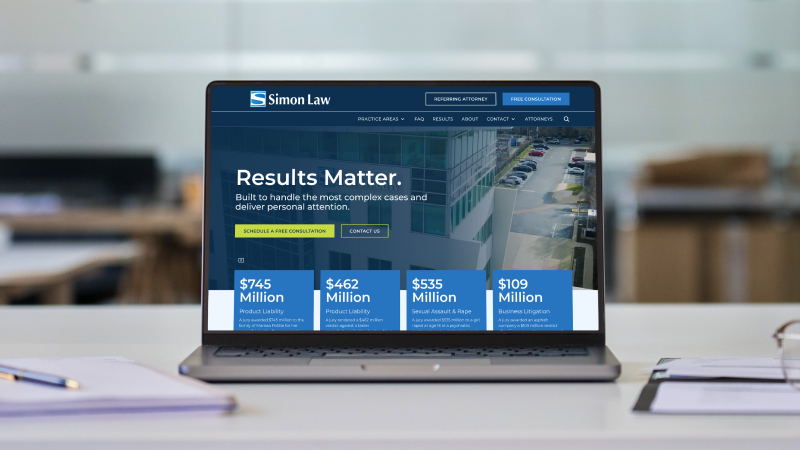
Success Story: Simon Law
Personal injury lawyer SEO is one of the most aggressive and competitive industries. Timmermann Group partnered with Simon Law to position the firm where injury victims were actively searching for representation. In this video, the Simon team discusses the difference a strategic SEO partnership made for their business.
Case Studies
SEO for Personal Injury Success Stories

Have a Question About SEO for Personal Injury?
If you have a question about Timmermann Group’s Personal Injury SEO services and aren’t ready to schedule a free consultation, fill out this form and a member of our team will be in touch shortly.
Fill out the form below and a member of our team will respond shortly.
"*" indicates required fields
At Timmermann Group, We
Lead With Conversions, Not Diversions.
Stay Focused on Measurable Results, Not Vanity Metrics.
Bring More Than 20 Years of SEO Experience.
Align Our Efforts With Your Marketing Flywheel.
Put the Right In-House Team on Your Business.
Invest in Long-Term, Committed Partnerships.
Proactively Bring You New Ideas and Solutions.
Choosing an SEO Agency
How to Choose the Right SEO Agency for Your Law Firm
Choosing an agency for your law firm is about more than finding someone who can improve rankings. You need a partner who understands how people search for legal help, how competitive local search results can be, and how to turn visibility into real consultation opportunities. The right agency should connect SEO strategy to your firm’s practice areas, location, intake process, and growth goals.
-
01 Look for Experience with SEO for Personal Injury
Law firm SEO is highly competitive, especially in areas like personal injury, criminal defense, family law, and estate planning. Choose an agency that understands legal search intent, local competition, page strategy, and the importance of trust-building content.
-
02 Prioritize Strategy Over Deliverables
A good search agency should not sell you a fixed checklist of monthly tasks. They should be dynamic in their work, choosing the right tactics each month and explaining why each matters.
-
03 Ask How They Measure Success
Rankings matter, but they are not the full picture. Your agency should be able to report on traffic quality, phone calls, form submissions, consultation requests, and other metrics that help connect SEO performance to case growth.
-
04 Make Sure They Understand Local Search
Most law firms need to compete in specific cities, counties, or regional markets. The right agency should understand Google Business Profile optimization, local landing pages, citation consistency, reviews, and map pack visibility.
-
05 Confirm They Can Support Technical SEO
Even a visually stunning website can underperform if it has technical issues under the surface. Look for an agency that has an in-house team to identify and fix problems with site speed, crawlability, indexation, mobile usability, site structure, and internal linking.
-
06 Look for Conversion-First Thinking
More traffic does not automatically mean more cases. Choose an agency that understands calls to action, page layout, mobile experience, forms, phone tracking, and the user journey from the search result to the consultation request.
-
07 Expect Clear Communication
SEO should not feel like a mystery. The right partner will explain what they are doing, why it matters, what progress looks like, and where opportunities exist without hiding behind jargon or vague monthly reports.
-
08 Choose a Partner Who Understands Growth
Your agency should understand your firm’s business goals, not just your keyword list. The best partner will help you prioritize the right cases, markets, and opportunities so SEO supports long-term firm growth.
Stop Losing High-Intent Searches to Competing Firms
Turn Search Demand Into Qualified Case Opportunities
Schedule a 30-minute consultation with a member of our team to learn where your personal injury firm is missing search opportunities and how TG can help you improve visibility, generate qualified leads, and drive more case opportunities.
Frequently Asked Questions
Learn More About SEO for Personal Injury
SEO raises several questions for a personal injury lawyer. From local rankings to high-intent keywords to conversion optimization, many factors influence performance. These FAQs answer some of the most common questions that injury law firms ask when evaluating SEO services and long-term growth opportunities.
SEO for PI law is the process of helping a personal injury law firm appear in search results when potential clients are looking for legal help after an accident, injury, or wrongful death. This can include searches like “car accident lawyer Wilmington,” “truck accident attorney Newark,” “slip and fall lawyer St Louis,” or more specific searches related to serious injury claims.
For PI firms, SEO is especially competitive because the value of a signed case can be significant. That means many firms are investing heavily in rankings, content, backlinks, local SEO, and website performance. A basic SEO strategy is usually not enough to compete in this space.
An effective PI SEO strategy should focus on searches most likely to lead to consultations and signed cases. That means building optimized practice-area pages, improving local visibility, strengthening the firm’s authority, and ensuring the website is easy for potential clients to navigate and contact. The goal is not simply to increase traffic. The goal is to help the firm show up for the right searches and turn that visibility into real case opportunities.
SEO is highly competitive for personal injury law firms because the stakes are high. A single qualified lead can become a valuable case, so firms are often willing to invest aggressively to appear at the top of Google search results. In many markets, your firm is not just competing with a few local attorneys. You may be competing with large firms, national legal directories, lead generation websites, and firms with years of SEO investment behind them.
Personal injury searches are also competitive because they often occur during high-intent moments. When someone searches for a car accident lawyer, motorcycle accident attorney, or wrongful death lawyer, they may be close to choosing a firm. Ranking well for those searches can directly affect call volume and consultation opportunities.
Because of this, SEO requires more than publishing occasional blog posts. Firms need technically sound websites, well-structured practice-area pages, location relevance, authoritative content, high-quality backlinks, and a conversion-focused website experience. The firms that win in search are usually the ones that treat SEO as a long-term growth channel rather than a one-time investment.
SEO for PI law can take time because legal search results are crowded and competitive, but that doesn’t mean you can’t see meaningful movement in the first 30-60 days. Some website improvements, such as fixing technical issues or optimizing existing pages, can bring those early wins. However, building the authority and relevance needed to compete for valuable personal injury keywords often takes several months or longer.
The timeline depends on several factors, including your market, your website’s current condition, your competition, your backlink profile, your existing content, and how established your firm is online. A firm in a smaller market may see progress more quickly than one competing in a major metro area, where several law firms already have highly developed SEO strategies.
It is also important to separate early indicators from long-term outcomes. Early progress may show up as better indexation, improved rankings for secondary keywords, increased impressions, or more traffic to optimized pages. More competitive keywords and consistent lead growth typically take longer.
An experienced SEO agency should be clear about what progress looks like at each stage. The goal is not to promise instant results. The goal is to build a stronger search presence that can consistently support qualified calls, consultations, and case opportunities over time.
A personal injury law firm should target keywords tied to real case opportunities, not just broad legal traffic. The most valuable searches are often connected to specific case types, local intent, and immediate need. Examples may include car accident lawyer, truck accident attorney, motorcycle accident lawyer, slip and fall attorney, wrongful death lawyer, or catastrophic injury attorney.
Local SEO modifiers are also a factor. Someone searching for a personal injury lawyer in your city is usually more valuable than someone looking for general information about injury law. That is why SEO for PI firms often includes a mix of city-based practice areas, GBP optimization, and localized content.
There is also value in informational keywords, but they should support the broader strategy. For example, articles about what to do after a car accident, how fault is determined, or how long someone has to file a claim can help build trust and bring people into your site earlier in their decision process.
The key is prioritization. A firm should not chase every keyword. It should focus on the searches aligned with its strongest practice areas, most profitable case types, geographic market, and intake goals.
Yes. Local SEO is critical for personal injury attorneys because many prospective clients are searching with urgency and proximity in mind. After an accident, someone may not know which firm to call, but they do know they need help from an attorney who handles cases in their area. Even broad searches like “personal injury lawyer” or “car accident attorney” often trigger local results based on the searcher’s physical location. If your firm is not visible in those results, you may be missing some of the highest-intent opportunities available through organic search.
For personal injury firms, local SEO helps connect market visibility with client trust. A potential client may quickly compare several firms by reviewing reviews, office location, practice area relevance, photos, business details, and how easy it is to call or request a consultation. A well-optimized Google Business Profile can help your firm appear more credible before someone ever reaches your website. Consistent listings, accurate contact information, active review management, and relevant practice categories all help reinforce that your firm is established, accessible, and equipped to help.
Location-specific website content also plays an important role in Local SEO. Personal injury firms should have clear, useful pages for the communities and case types they serve, such as car accidents, truck accidents, motorcycle accidents, wrongful death claims, or slip-and-fall injuries, in specific markets. These pages should not be thin duplicates with city names swapped out. They should reflect the firm’s actual service area, local relevance, client concerns, and the types of injury cases the firm wants to attract.
Local SEO can also support case quality. When your firm ranks for searches tied to your priority locations and practice areas, you are more likely to attract leads that match your intake criteria. That means fewer irrelevant inquiries and more opportunities from people who are closer to hiring an attorney.
For attorneys aiming to attract and close more personal injury cases, local SEO is not just about showing up on a map. It helps your firm become more visible, more credible, and easier to contact at the exact moment someone is deciding who to trust with their case.
Content helps personal injury law firms rank by giving search engines and potential clients clearer information about what the firm does, where it works, and which types of cases it handles. In personal injury SEO, content should not be limited to general blog posts. The most important content often lives on core practice pages, location pages, attorney pages, FAQs, and case-related resources.
For example, a car accident page should explain the firm’s experience handling those claims, the types of accidents it handles, common client concerns, and how someone can take the next step. That page should also be structured so that search engines can understand it and visitors can use it quickly.
Blog content can support these core pages by answering more specific questions. Topics might include what to do after a rideshare accident, how uninsured motorist claims work, or when to contact a lawyer after a truck accident. These articles can link internally to the main service pages, helping to build topical relevance.
Good content should help the reader make a decision. It should answer practical questions, build confidence, and guide the visitor toward contacting the firm when they are ready.
Backlinks matter because they help search engines evaluate the authority and credibility of a website. In competitive legal markets, many personal injury attorneys have similar practice areas and similar local targeting. Authority can become a major difference-maker when Google decides which firms deserve to rank higher.
A backlink is a link from another website to your firm’s website. Not all backlinks are equal. Links from relevant, reputable, and trustworthy sources are more valuable than links from low-quality websites. A thoughtful backlink strategy can help strengthen the site’s ability to compete for high-value searches.
That does not mean a firm should chase links at any cost. Poor-quality link building can create risk and may not provide lasting value. A better approach is to earn or acquire links through credible legal directories, local organizations, community involvement, digital PR, useful resources, and other relevant placements.
Backlinks work best when the rest of the SEO foundation is already in place. If the website has weak content, poor technical structure, or unclear targeting, links alone will not solve the problem. They should support a broader strategy built around visibility, trust, and lead generation.
Personal injury law firms should measure SEO success by looking beyond rankings alone. Rankings are useful because they show whether the firm is becoming more visible for important searches, but they do not tell the full story. A firm also needs to understand whether SEO is generating qualified traffic, phone calls, form submissions, consultation requests, and signed case opportunities.
The right reporting should connect search performance to business outcomes. That may include tracking organic traffic by page, ranking movement for priority keywords, Google Business Profile actions, call tracking, form submissions, and conversion rates. For firms with CRM or intake data, SEO reporting can become even more useful by showing which leads turn into real cases.
It is also important to evaluate the quality of the traffic. A spike in blog visits may look good in a report, but it may not matter if those visitors are outside the firm’s market or searching for general information with no intent to hire. A smaller increase in traffic to a high-value page may be more important.
Quality SEO reporting should help a law firm make decisions, not just review numbers. It should show what is working, where opportunities exist, and how SEO is supporting case growth.
Car accident attorneys should use a dedicated page to clearly explain the types of accident cases the firm handles, such as rear-end collisions, truck accidents, uninsured driver claims, rideshare accidents, pedestrian accidents, bicycle accidents, and crashes involving serious injuries.
The content should also answer the questions people are likely to ask after a crash. For example:
- Do I need a lawyer after a car accident?
- Who pays my medical bills?
- What if the other driver was uninsured?
- How long do I have to file a claim?
- What should I do if the insurance company calls me?
Search engines need clear signals about practice area, location, relevance, and authority. That means the page should include localized copy, attorney experience, internal links to related injury pages, FAQs, clear calls to action, and a mobile-friendly layout that makes it easy to call the firm.
For car accident attorneys, better rankings often come from being more useful and specific than competing firms, not simply repeating the same keyword more often.