

Contractor Web Design
Websites Built for Contractors Ready for More Work
Your website should do more than look great. It should build credibility, highlight capabilities, and guide decision-makers to take action. Timmermann Group designs contractor websites for Conversions, not Diversions. We work with construction companies who are focused on attracting qualified leads, generating bid opportunities, and looking for long-term growth for their business.
Contractor Web Design Services
How Conversion-first Contractor Websites Are Built
Websites designed for conversions are built through collaboration between your team and ours, aligning strategy, content, user experience, and development into one cohesive lead-generation tool. Timmermann Group approaches every website build with clear phases that create better performance, smoother launches, and stronger long-term results.
Website Strategy
A high-performing contractor website starts with a clear strategy. We align your goals, target audience, service priorities, and growth opportunities before anything else, ensuring every page has a conversion-driven purpose. The result is a website built to generate leads, build trust, and increase your revenue.
Information Architecture
How your website is organized directly impacts user experience and how well it will perform. We create intuitive navigation, clear page hierarchies, and logical pathways that help users quickly find what they are looking for while laying the foundation for organic search success.
Content Strategy & Copywriting
Website content should do more than fill space. It should speak to buyers, communicate your capabilities, earn their trust, and guide them toward action. We develop a content strategy that positions your company clearly while supporting conversions and search performance.
UX Design
Exceptional user experience (UX) removes friction. We design contractor websites that are easy to navigate, simple to understand, and built to convert. Every interaction should be clear, fast, and intentional.
UI Design
Your website will often make the first impression for your construction company. That is why we design websites that reflect the professionalism of your company while building trust with potential clients. Your website shouldn't sacrifice appearance for performance. We don't.
Web Development
Development brings strategy and design to life with one part art and two parts science. We build fast, responsive, scalable websites with clean code and reliable functionality that perform across current devices and browsers. The end result is a site that delivers what it promises, for you and your clients.
Timmermann Group is not only knowledgeable about digital marketing best-practices, but also how they specifically apply to the construction industry. TG has been a long-term partner for both ARCO Construction and several other subsidiary brands, and we would highly recommend Timmermann Group’s expertise, customer service, and creativity to anyone interested in growing their business or online presence.
Today we received our SIXTH LEAD since the launch of our new website!!! All six have come as a direct result of our site—this is friggin' amazing! ... We have never ever before received leads from our website, so we are absolutely thrilled!
Rob and Steven's efforts in our company's SEO have provided a noticeable increase in quality leads as well as an overall improved marketing strategy. It has absolutely been a worthwhile investment to work with them.
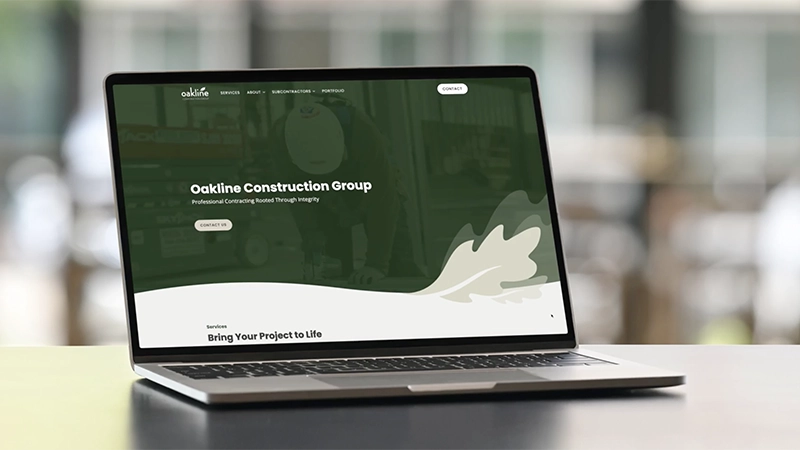

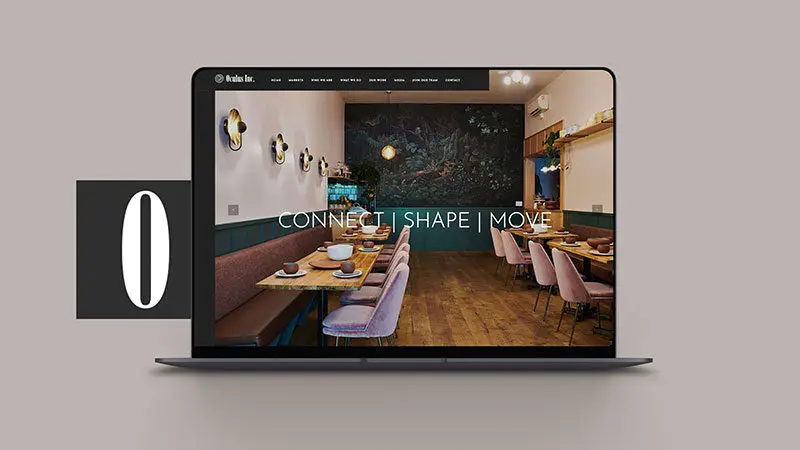
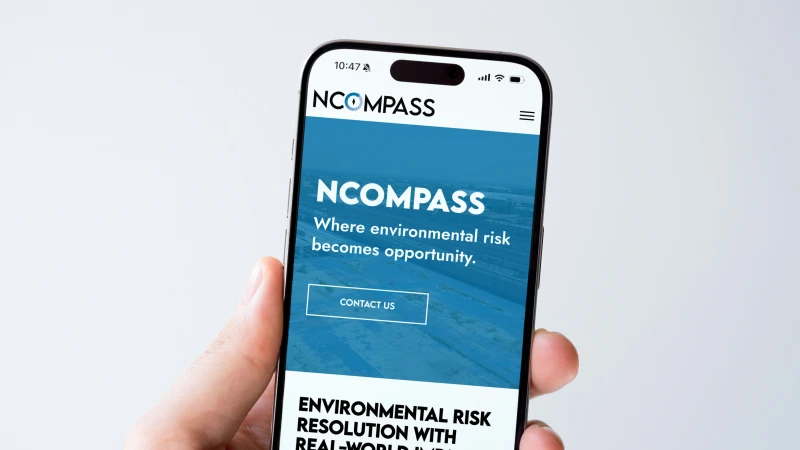
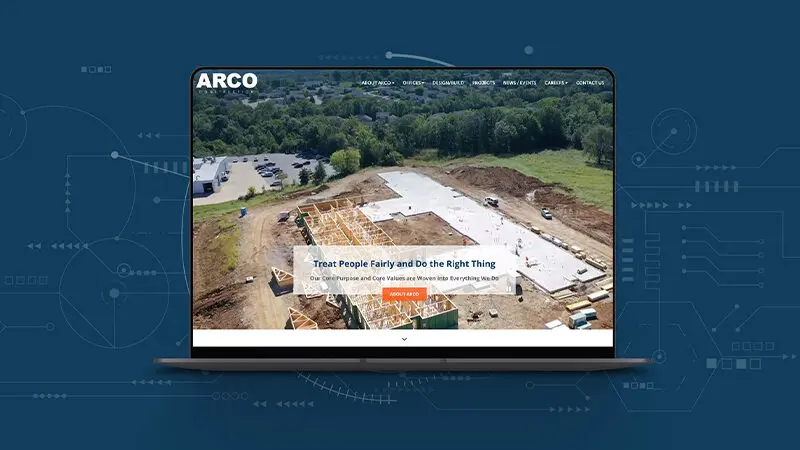
At Timmermann Group, We
Lead With Conversions, Not Diversions.
Stay Focused on Measurable Results, Not Vanity Metrics.
Bring More Than 20 Years of Digital Marketing Experience.
Align Our Efforts With Your Marketing Flywheel.
Put the Right In-House Team on Your Business.
Invest in Long-Term, Committed Partnerships.
Proactively Bring You New Ideas and Solutions.
Contractor Website Design Agency
How to Find the Agency That Builds the Best Contractor Websites
The best contractor website agencies do more than create pretty pages. They bring a proven process, relevant experience, cross-functional collaboration, and a clear focus on results that help your business grow.
-
01 Look for Construction Industry Experience
Choose an agency that understands how contractors win work, from project portfolios and service pages to credibility markers, certifications, and safety standards.
-
02 Choose an Agency With a Proven Process
Conversion-focused websites are built with clear phases such as discovery, strategy, content planning, design, development, QA, and launch. A defined process creates better outcomes and fewer surprises. It also provides defined touch points for collaboration and input.
-
03 Ask Who Will Be Involved in the Build
Who creates your website should never be a mystery. Strong websites require a high degree of collaboration across strategy, content, UX, UI, SEO, and development. You should know who is on the team, their experience, and how they will work with your stakeholders.
-
04 Prioritize Communication and Partnership
The best agency relationships feel collaborative, not transactional. Look for a team that asks questions your business goals, values your industry experience, and keeps momentum throughout the project.
-
05 Measure Their Focus on Results
Your website should support lead generation, bid opportunities, recruiting, and brand credibility. Make sure success is tied to business outcomes, not just a single launch day that comes and goes.
-
06 Choose a Partner for Long-Term Growth
The right partner should think beyond the initial build, helping your website (and partnership) evolve as your services, markets, and goals grow.
Frequently Asked Questions
Learn More About Contractor Web Design
Choosing to build a new website is an important decision for any contractor. It’s important to feel that all of your questions have been answered before you begin. Below are answers to common questions about pricing, timelines, process, results, and what to expect from a website designed to help your business grow.
Contractor website design costs can vary based on the size of your company, the complexity of the site, and the goals behind the project. A smaller brochure-style website for a local contractor may require a lower investment than a larger site built to support multiple service lines, locations, recruiting, project galleries, and lead generation campaigns. The right question is not just “What does it cost?” but “What does it need to accomplish?” This will help you connect the cost of a new website to the value it will provide your business.
For many contractors, the website should help generate qualified leads, support bid opportunities, build trust with larger buyers, and make recruiting easier. Those business goals often require strategic planning, custom messaging, conversion-focused layouts, a strong SEO foundation, and a scalable development approach. A low-cost website may look acceptable at launch but fall short in performance, flexibility, or long-term growth potential.
When evaluating pricing, ask what is included. Does the project cover strategy, sitemap planning, content guidance, SEO foundations, custom design, forms, analytics, QA, and training? The answer will shed light on everything you are receiving for your investment. A contractor website should be viewed as a business asset, not just a design expense.
The best investment is usually the one that generates value over time through leads, stronger credibility, and a better sales process.
What makes a contractor website a success is more than appearance. Your site should build trust, clearly explain your capabilities, and help qualified users to take action. Many construction buyers, facility managers, developers, and property owners compare companies before reaching out. Your website should make it easy for users to choose you over your competitors.
Successful contractor websites typically include clear service pages, project examples, trust-building proof points, certifications, industries served, safety commitments, and strong calls to action. They also guide users through the information they need without confusion. That means logical navigation, fast load speeds, mobile-friendly UX, and content written for real decision-makers.
Design matters, but clarity matters more. Visitors should immediately understand what you do, where you work, and what types of projects you are ready to handle. If they have to search for basic information, opportunities can be lost.
A great contractor website also supports your internal goals. It can help generate leads, shorten the sales process, improve recruiting, and strengthen your brand in competitive markets. The best websites for construction companies combine strategy, content, design, and development into one tool that supports business growth long after launch.
The timeline for a contractor website depends on scope, content readiness, and decision-making speed. A smaller website with a limited number of pages will move faster, while a larger site with multiple divisions, markets, or custom functionality will naturally take longer. On average, a website for contractors should take somewhere between 90-120 days depending on those build requirements.
The fastest projects have the strongest collaboration. When the client team identifies stakeholders early, provides timely feedback, and shares needed materials such as account access, logos, photography, project examples, and service information, our team is able to keep momentum high.
Rather than focusing only on speed, focus on process quality. A contractor website should be built to perform for years, not just go live quickly. A thoughtful timeline often leads to better messaging, stronger user experience, and smoother execution.
A great agency partner should provide a clear roadmap, milestones, ownership expectations, and regular communication so everyone knows what happens next.
A conversion-focused should website support both, but lead generation will be a core priority. Branding helps buyers remember you and earn their trust. Lead generation helps turn that trust into real opportunities. When done well, the two work together.
Branding includes your positioning, messaging, visual identity, photography, tone, and the overall impression your company creates online. For contractors, strong branding can communicate professionalism, reliability, quality workmanship, safety, scale, or specialized expertise. That matters when prospects are comparing multiple firms, as they typically do.
Lead generation focuses on action. It ensures visitors can quickly request estimates, submit bid opportunities, call your team, ask questions, or start conversations. It also means creating pages that target the right services, industries, or locations so qualified visitors can find you in the first place.
If branding exists without conversion strategy, you may have a polished website that does not create enough opportunities. If conversion tactics exist without branding, you may generate clicks but struggle to earn trust.
The strongest contractor websites blend both. They create a professional first impression while guiding visitors toward meaningful next steps. That combination often leads to more inquiries, stronger close rates, and a website that actively contributes to the growth of your business.
Industry experience can shorten the learning curve and improve overall results. An agency that understands contractors and construction companies already knows many of the questions buyers ask, the trust signals that matter, and the common challenges involved in selling complex services.
That said, industry experience alone is not enough. A weak process or poor execution can still create a disappointing outcome. What matters most is the combination of relevant experience, strategic thinking, clear and consistent communication, and demonstrable results.
Ask potential agencies for examples of contractor or industry-related work. Ask how they approach lead generation, SEO, and collaboration with their partners. Their answers will reveal whether they truly understand your business or are simply claiming experience.
Launch day is important––it’s a big event where the entire world is introduced to your new website––but it should be the beginning of the next phase, not the finish line. Once your contractor website is live, the focus should shift toward conversions, optimization, and growth.
Early post-launch priorities include analytics validation, form testing, and monitoring for any user issues. The purpose of these early checks is to ensure everything has been delivered smoothly and traffic / leads are being captured properly. From there, performance data can guide smarter decisions to guide what comes next.
Many contractors continue improving their site through SEO, Paid Media, or Website Maintenance & Support to keep their website up-to-date and performing at its best. Over time, these updates can significantly increase the value of the original investment.
Your business may also evolve. New services, new territories, new certifications, or larger project types should be reflected online. A website that stays frozen can quickly become outdated. That is why choosing an agency with long-term support matters. You want a partner who can help maintain security, improve performance, and recommend next steps based on results.
The most successful websites are living things. They should continue helping you win work, build trust, and increase your revenue long after the initial launch.