

Own Local Visibility, Capture More Demand
Google Business Profile Optimization for Businesses Ready to Dominate Local Search
An optimized Google Business Profile can be as important as a website homepage for local visibility. For many local businesses, it is the first touchpoint in Google search, Google Maps, the local pack, and the knowledge panel.
- Complete, accurate information is the foundation: business name, NAP, business hours, website address, primary category, secondary categories, services, attributes, and descriptions all matter.
- Strong visuals help potential customers trust you faster. Add a logo, cover photo, exterior images, interior images, team photos, high-quality photos, and short video clips.
- Ongoing activity is what keeps a profile competitive. Reviews, Google posts, Q&A, photo uploads, and relevant updates help improve local rankings and engagement.
- Measurement matters. Use GBP Performance reports, UTM links, call tracking, Google Analytics, and CRM data to track performance and prove ROI.

What’s Included
Optimize Your Local Presence to Capture More Customers
Your Google Business Profile is often one of the first things potential customers see when searching for your services. If your profile is incomplete, outdated, inconsistent, or inactive, you could be losing visibility, trust, and leads to competitors nearby.
Timmermann Group helps businesses optimize their local presence through profile optimization, review management, local search strategy, visual content, ongoing updates, and performance tracking. From improving your visibility in Google Maps to helping customers feel confident contacting your business, our approach is focused on turning local searches into real opportunities for growth.
Google Business Profile: Overview
A successful Google Business Profile requires more than simply filling out basic information. We optimize categories, services, descriptions, photos, FAQs, posts, and other key profile elements to improve relevance and engagement. Our goal is to help your business appear more often in local searches while giving potential customers the confidence to contact you.
Learn MoreGoogle Business Profile Guidelines
Google has strict guidelines surrounding business names, addresses, categories, service areas, and profile eligibility. Violating these guidelines, even unintentionally, can lead to ranking drops, listing issues, or suspensions. We help ensure your profile aligns with Google’s requirements while still positioning your business competitively in local search.
Learn MoreGoogle Business Profile Verification
Google Business Profile Verification is the process of proving to Google that your business is legitimate and that you are its rightful owner. Completing this step unlocks your visibility on Google Maps and Search, allowing local customers to find, review, and connect with your business.
Learn MoreGoogle Business Profile Suspension Support
A suspended Google Business Profile can bring local lead generation to a halt overnight. Whether your profile was suspended because of verification issues, guideline violations, or suspicious changes, our team helps identify the cause, prepare supporting documentation, and guide the reinstatement process to get your business visible again.
Learn MoreGoogle Business Profile Reviews
Google Business Profile reviews help shape both customer trust and local search visibility. Consistent, authentic reviews can improve credibility, reinforce relevance, and help potential customers feel more confident choosing your business.
Learn MoreReview Gating: What It Is and What to Do Instead
Review gating is the practice of only asking satisfied customers to leave reviews while filtering out unhappy customers. This violates Google’s guidelines and can put your visibility, credibility, and business profile at risk.
Learn MoreTurn Your Google Business Profile Into a Competitive Advantage
Be the Business Local Customers Choose First
Schedule a 30-minute consultation to see how your Google Business Profile can better support your local SEO, paid media, and overall lead generation efforts.
What You Need to Know
What Is Google Business Profile Optimization?
Google Business Profile—formerly Google My Business—is Google’s free tool for managing how your business appears across Google Search and Google Maps. Google business profile optimization means fully completing and continuously improving your Google listing so it can rank higher, earn trust, and convert searchers into more customers.
At Timmermann Group, we optimize Google Business Profiles to help businesses appear more prominently in local search results, increase engagement, and convert more searchers into customers. Here is what can be involved in optimizing a client’s GBP.
-
01 Claim, Verify, and Lock Down Your Business Listing
Before any optimization can happen, your business profile needs to be properly claimed, verified, and managed under the correct Google account. Without verification, your ability to update business information, respond to reviews, and manage visibility is limited.
For businesses with multiple locations, ownership and account structure become even more important. Duplicate listings, outdated profiles, and inconsistent access can create confusion for both Google and potential customers. TG often begins with an ownership and profile audit to consolidate listings, clean up inaccuracies, and establish a scalable structure for long-term profile management.
-
02 Get the Fundamentals Perfect: NAP, Categories, and Core Profile Data
Consistent business information is one of the foundational elements of local search optimization. Your business name, address, and phone number should match across your website, Google Business Profile, directories, social platforms, and other citations to help Google trust the accuracy of your location data.
Beyond NAP consistency, properly selecting categories, services, attributes, hours, and service areas helps Google better understand your business and match your profile to relevant local searches. Even small inaccuracies or outdated information can create friction for both search engines and potential customers, costing visibility, trust, and leads.
-
03 Craft a High-Impact Business Description and Services Structure
Your business description and services help Google understand what your company does while helping potential customers quickly determine whether you solve their problem. A well-optimized profile should clearly explain your services, location, and positioning without sounding robotic or stuffed with keywords.
The Services section should also be built intentionally. Specific, search-focused services often perform better than broad categories because they more closely match how customers search. Your Google Business Profile should align with the language used across your website, paid media campaigns, and overall marketing strategy to create stronger local search relevance.
-
04 Optimize Visuals – Logo, Cover Photo, and Gallery That Actually Converts
Photos and videos play a major role in how customers perceive your business before they ever visit your website or contact your team. High-quality visual content helps build trust, showcase your brand experience, and make your profile feel active and credible in local search results.
A well-optimized profile should include professional photos of your team, office, products, services, or completed work, along with updated cover imagery and branding elements. Consistently adding new visual content can improve engagement, strengthen credibility, and help potential customers feel more confident taking the next step.
-
05 Use Posts, Q&A, Products, and Messaging to Turn Views into Conversions
An optimized business profile should not sit untouched for months at a time. Regular updates through posts, photos, Q&A management, and service highlights help keep your profile active, improve engagement, and reinforce local search relevance.
Google Posts can be used to promote case studies, blog content, seasonal offers, events, hiring announcements, or consultations while naturally reinforcing the services and topics your customers search for. Features like Q&A, Services, and Messaging also create additional opportunities to answer objections, showcase offerings, and turn local search visibility into real conversations and leads.
-
06 Reviews, Reputation, and Ongoing Performance Tracking
Reviews play a major role in both local search visibility and customer trust. A steady flow of recent, authentic reviews helps reinforce credibility while giving Google stronger signals about your business and services. Businesses should have a consistent process for requesting reviews, responding to customer feedback, and monitoring overall reputation without relying on manipulative tactics or fake engagement.
Optimization also includes ongoing performance tracking. Monitoring metrics such as calls, clicks, direction requests, profile views, and search queries helps businesses better understand how customers interact with their profile and where opportunities exist to improve visibility and conversions.
Have a Question About GBP Optimization?
If you have a question about Timmermann Group’s marketing services and aren’t ready to schedule a free consultation, fill out this form and a member of our team will be in touch shortly.
Fill out the form below and a member of our team will respond shortly.
"*" indicates required fields
At Timmermann Group, We
Lead With Conversions, Not Diversions.
Stay Focused on Measurable Results, Not Vanity Metrics.
Bring More Than 20 Years of Digital Marketing Experience.
Align Our Efforts With Your Marketing Flywheel.
Put the Right In-House Team on Your Business.
Invest in Long-Term, Committed Partnerships.
Proactively Bring You New Ideas and Solutions.
Case Studies
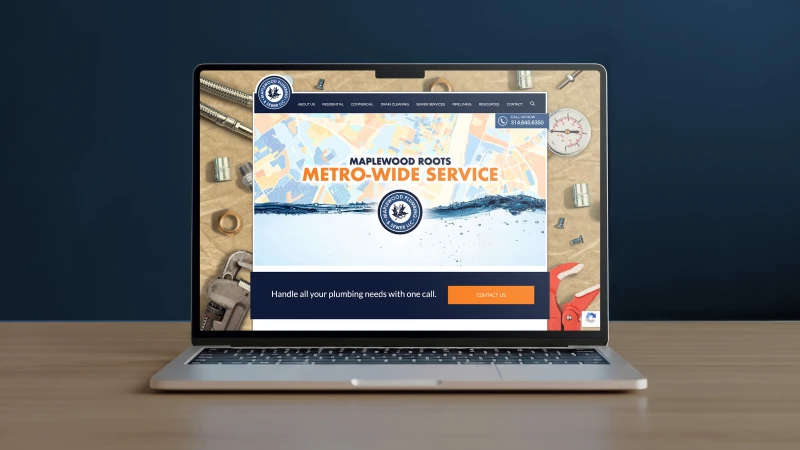
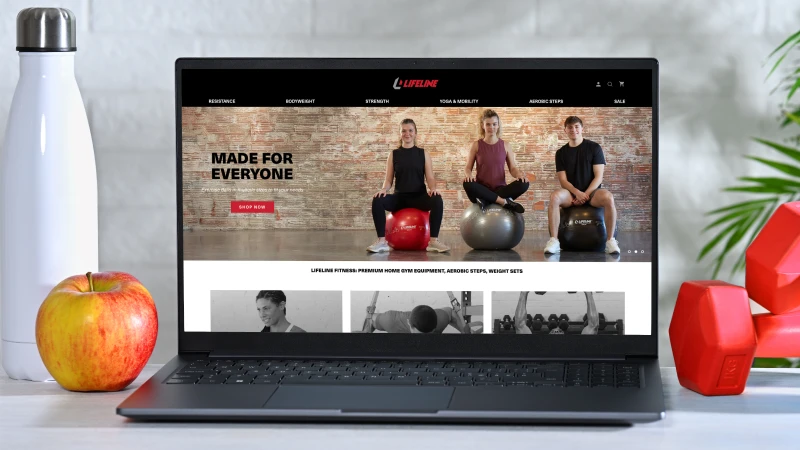
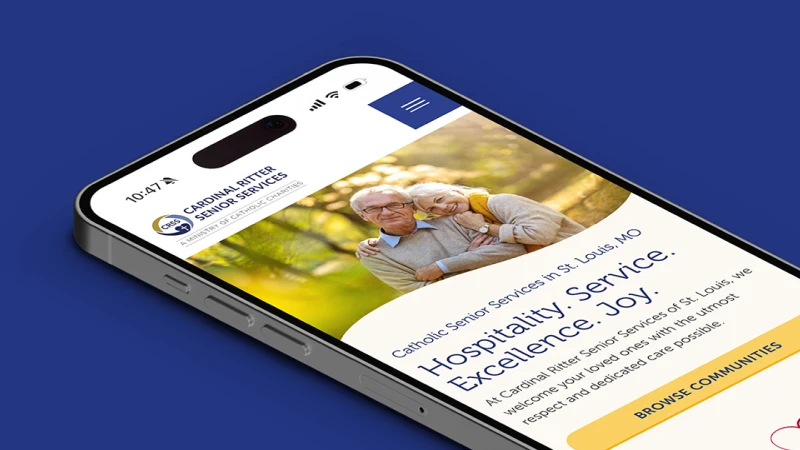
Client Successes with Local Search


Why GBP Optimization Matters
Why Google Business Profile Optimization Matters for Local Visibility and Revenue
Your Google Business Profile can directly influence revenue. It can generate phone calls, quote requests, bookings, directions requests, store visits, and website visits from people already searching for what you sell.
For example, a homeowner searching “St. Louis roofing company” may never visit five websites. They may compare the local pack, scan ratings, look at team photos, check business hours, and call from Google Maps. A multi-location retailer may see most discovery happening through local results and Maps rather than on the main website.
| Local ranking factor | What it means | What you can control |
|---|---|---|
| Relevance | How well your business profile matches the search | Categories, services, description, attributes, reviews |
| Distance | How close the business is to the searcher or location term | Mostly fixed |
| Prominence | How trusted and well-known the business appears | Reviews, citations, backlinks, brand signals, engagement |
Google’s AI-driven search algorithms prioritize completeness, real-time accuracy, and consistent user engagement in Google Business Profiles. That means an active profile with accurate information, fresh content, relevant updates, and strong customer feedback is more likely to perform than a stale one.
Optimizing your Google Business Profile can significantly improve your local ranking, as Google’s algorithm considers the completeness and quality of information provided in the profile. Google’s algorithm for ranking Business Profiles also considers the accuracy and completeness of information, meaning that profiles with consistent and correct data are more likely to rank higher in local search results.
There is also a conversion benefit. Profiles with complete information, including business hours, services, and descriptions, are 70% more likely to attract customers and 50% more likely to generate sales. Profiles with photos receive 42% more requests for directions on Google Maps and 35% more clicks through to their websites, underscoring the importance of visual trust in the customer journey.
Most businesses do not lose local leads because they lack a profile. They lose them because businesses ignore the details that make the profile useful, trustworthy, and trackable.
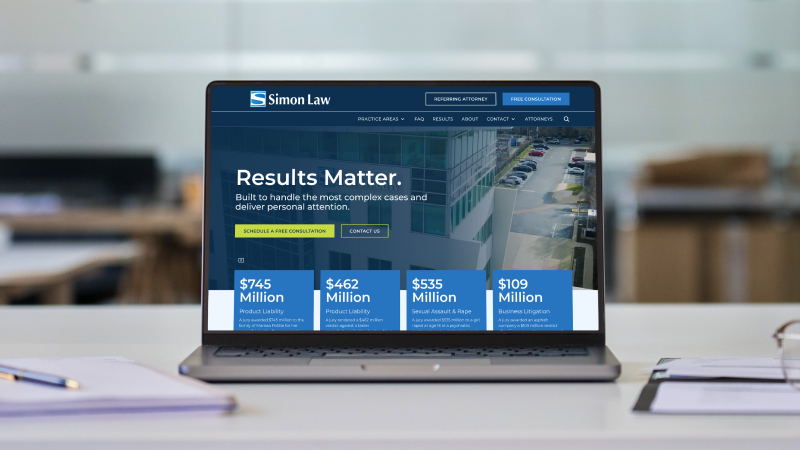
Timmermann Group has helped The Simon Law Firm climb toward our goals and has a strategic plan and recommendations each step of the way. The knowledge that each of the team members has is a great asset to our firm.
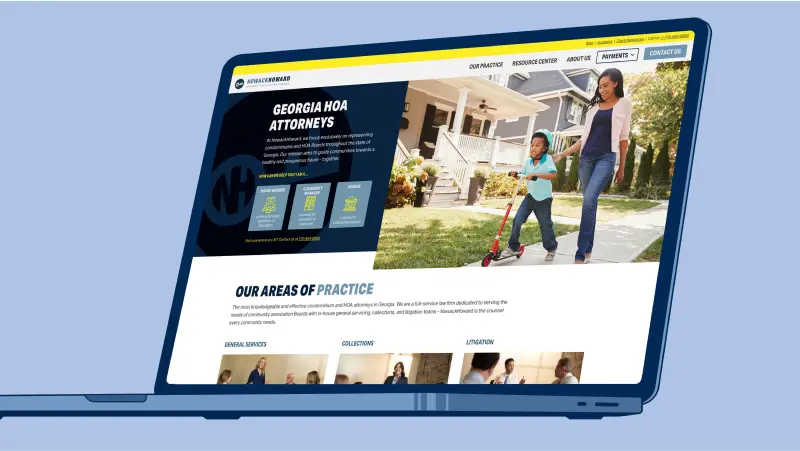
My firm partnered with the Timmermann Group to elevate our online visibility and have been incredibly impressed with the results. Their team took the time to truly understand our goals as an HOA law firm and implemented a clear, strategic SEO and local search plan. In just a short time, we've seen a major boost in search rankings, website traffic, and high-quality leads. Their professionalism, responsiveness, and attention to detail have made them a trusted marketing partner. We highly recommend them to any law firm serious about growth. Beyond five-stars!
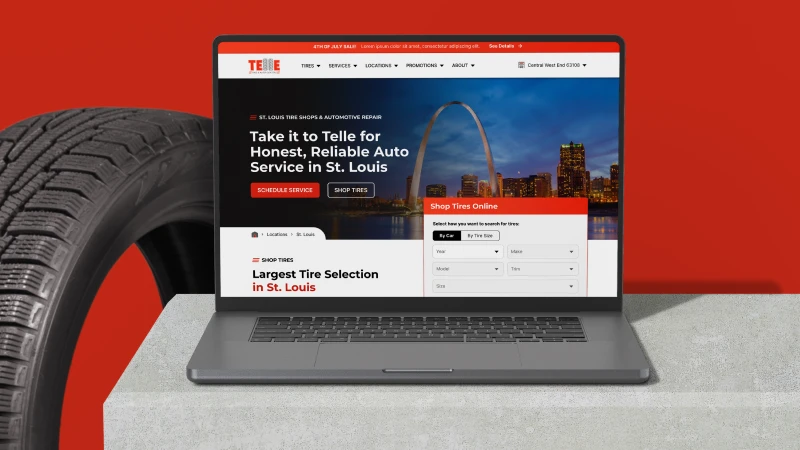
Partnering with Timmermann Group has been a great decision for Telle Tire & Auto Centers. They have gone above and beyond to understand our business goals and deliver results. We were looking to increase leads, boost appointments, and expand the Telle Tire brand. Since our partnership with them, they’ve updated our site’s content and helped us book more appointments through their SEO efforts. Their expertise sets them apart, and I highly recommend them if you’re looking for a conversion marketing agency!
We began working with Timmermann Group when our company merged with another who had been using them for years. I was immediately impressed with Rob and his team of experts. They fully understood our complex industry, and were quickly able to develop robust tools for our SEO, social media, website creation, creative strategy and execution. We tasked them with developing a large global website, in multiple languages, in half the time it usually takes to develop such a large-scale website. The team delivered in spades. Our new global website is seeing dramatically increased traffic numbers, up to 3X more than before we utilized their services. In addition, our social media presence has seen a tremendous boost, regularly seeing 3-5X the number of followers as before. We are realizing actual revenue increases due to their mastery of social media and SEO strategy. I could not be more impressed, and would whole-heartedly recommend them to anyone, in any industry, seeking to grow their revenue through digital avenues.
Partnering with the Timmermann Group has been an outstanding experience for US Weight. From the start, their team took the time to truly understand our business and goals. The open lines of communication made it easy to collaborate, with regular updates and clear, goal-setting sessions that ensured everyone was on the same page from day one. Their ability to provide actionable insights and guide us through every step of the SEO improvement process gave us confidence and peace of mind. The Timmermann Group didn’t just deliver results—they became a trusted partner in helping us grow our online presence.
Partnering with Timmermann Group was a game-changer for us. Their expertise in SEO, PPC, and website optimization has not only improved our online visibility but has also significantly increased our customer conversions. The team's dedication and tailored strategies have been instrumental in our digital success, setting us apart in a highly competitive market. We're grateful for their ongoing support and innovative approaches.
We couldn’t be more pleased with our decision to switch to Timmermann Group. What they’ve achieved in such a short time is truly impressive. Our only regret is not finding them sooner. If you’re reading this, stop your search and reach out to them—you won’t be disappointed. After years of working with a competitor that fell short, Timmermann Group has been a breath of fresh air, helping us get back on track. Trust their expertise, follow their guidance, and expect remarkable changes for your business. It’s easily the best investment we’ve made.
Advanced GBP Optimization
Advanced Tactics for Multi-Location and Growth-Focused Brands
If your business operates across multiple locations or service areas, basic optimization is not enough. You need consistency at scale without making every profile look like it was copied and pasted.
Start with location-specific landing pages. Each page should match one business profile and reinforce local relevance.
For example:
/st-louis-roofing-company/
/denver-roofing-company/
/chicago-roofers/
Each page should include unique copy, location-specific services, staff details, local proof, FAQs, photos, and a map where appropriate. This supports both local results and organic visibility in broader search engine results.
The strongest multi-location brands keep core information consistent but customize the details. Use unique photos, staff bios, local service highlights, customer stories, and posts for each location. Copying the same description everywhere may be efficient, but it weakens local relevance.
You can also run location-based SERP checks to understand where each profile appears across ZIP codes and neighborhoods. A business might rank in the local pack near its office but disappear five miles away. That information helps guide landing pages, service area updates, review strategy, and content.
| Frequency | Task |
|---|---|
| Weekly | Respond to Google reviews and Q&A |
| Monthly | Post regularly, review Performance data, add relevant updates |
| Every 60–90 days | Add photos, new photos from the team, events, or recent work |
| Quarterly | Audit categories, services, attributes, hours, links, and citations |
| Annually | Review strategy, locations, tracking, and competitive positioning |
Regularly updating your Google Business Profile can lead to 5 times more views, highlighting the importance of keeping your information fresh and relevant to attract local customers.
Award-Winning SEO to Power Your Business

Hermes Creative Awards
Platinum - Search Engine Optimization
dotCOMM Awards
Digital Marketing & Communication Campaigns – SEO Campaign

The Creative Excellence Awards
Website Design

The Communicator Awards
Marketing Effectiveness Distinction
Mitchell Wall Architecture & Design
Frequently Asked Questions
Claiming & Verification
Claiming and verifying your Google Business Profile is the first step toward improving your visibility in local search results. Start by searching for your business on Google Search or Google Maps. If a profile already exists, you can request ownership access by selecting “Claim this business.” If no listing exists, you can create a new profile from scratch.
Google will then ask you to verify ownership. Depending on the business type and eligibility, verification may happen through a postcard, phone call, email, video recording, live video verification, or Google Search Console integration. The goal is to confirm that your business is legitimate and that you are authorized to manage the profile.
Verification matters because unverified profiles have limited functionality. Without verification, you may not be able to update business information, respond to reviews, publish posts, access performance data, or fully manage how your business appears in Google Maps and local search.
Businesses should also think carefully about ownership structure. Ideally, the primary owner account should belong to the business itself rather than an employee’s personal Gmail account. This helps avoid future access issues if staff members leave or roles change over time.
Verification issues are more common than many businesses realize, especially for service-area businesses, companies with recent address changes, or organizations with inconsistent business information online. If verification fails, the first step is to confirm that your business name, address, phone number, and website match across your Google Business Profile, website, directories, and official records.
You should also review whether your business violates any of Google’s guidelines. Common problems include using virtual offices, P.O. boxes, keyword-stuffed business names, duplicate listings, or addresses that cannot be clearly verified. Even small inconsistencies can trigger verification challenges.
If one verification method fails, Google may offer alternative methods such as phone, email, or video verification. Video verification has become increasingly common and may require showing your storefront signage, office space, branded vehicles, or proof that you actively operate the business.
One of the biggest mistakes businesses make is creating duplicate profiles while waiting for verification. This often creates larger problems, including ranking confusion, suspension risks, or split visibility in local search results.
If verification continues failing, it may be necessary to work directly with Google Support and provide documentation proving the legitimacy of the business and its physical location.
Yes. Google Business Profiles allow multiple users to access and manage a listing with different permission levels. Businesses can assign roles such as Primary Owner, Owner, Manager, or Site Manager depending on how much control each person should have over the account.
This becomes especially important for organizations working with internal teams, marketing agencies, franchise groups, or multi-location operations. Instead of sharing one login with everyone, businesses should use role-based permissions to improve security and maintain control over who can make updates.
For example, an agency may need access to publish posts, respond to reviews, upload photos, and monitor performance data without requiring full ownership of the account. Meanwhile, company leadership may retain primary ownership to protect long-term account access and governance.
Improper account management can create major issues over time. Businesses sometimes lose access because a former employee created the profile using a personal email address or because login credentials were never documented internally. Recovering ownership can become time-consuming and disruptive, especially if verification is required again.
A clean ownership structure reduces operational risk while making it easier to scale updates, manage locations, and maintain consistency across profiles. For businesses investing heavily in local SEO and lead generation, proper account governance is just as important as profile optimization itself.
Frequently Asked Questions
NAP Consistency & Core Profile Setup
NAP consistency refers to keeping your business name, address, and phone number identical across your website, Google Business Profile, directories, social media platforms, and other online listings. While it may seem minor, consistent business information plays a major role in helping Google trust the legitimacy and accuracy of your location data.
When Google sees conflicting information across platforms, it creates uncertainty about which information is correct. That inconsistency can weaken local trust signals, create confusion for customers, and reduce visibility in local search results. Even small variations such as abbreviating “Suite” differently or using multiple phone numbers can contribute to inconsistency.
NAP consistency also impacts the customer experience. If a customer finds outdated hours, an old phone number, or an incorrect address, they are unlikely to spend time figuring out the issue. In many cases, they simply move on to a competitor.
Businesses should regularly audit their listings across major directories and platforms to ensure consistency. This becomes even more important for businesses with multiple locations, recent rebrands, relocations, or acquisitions.
Strong local optimization starts with accurate foundational information. Before focusing on advanced local SEO tactics, businesses should first ensure their core business data is clean, consistent, and aligned across the web.
Yes, but changes to your business name, address, or core business information should be handled carefully. Google uses historical location data, business consistency, and trust signals to determine local rankings, so sudden or inconsistent changes can temporarily impact visibility if not managed properly.
If your business undergoes a legitimate rebrand or relocation, the update should reflect your real-world business identity. Your Google Business Profile, website, social platforms, citations, directories, and marketing materials should all be updated as closely together as possible. The goal is to minimize confusion for both Google and potential customers.
One common mistake businesses make is adding excessive keywords to their business names in an attempt to improve rankings. Google considers this a violation of its guidelines, and it can lead to profile suspensions or ranking losses. Your listed business name should match your actual branding, signage, and legal business identity.
Address changes also require caution, especially for service-area businesses. In some situations, moving to a new location can reset proximity signals that influence local rankings. Businesses should ensure the new location is fully verified and supported by consistent online references.
When handled strategically, businesses can successfully update core information without permanently damaging local visibility or search performance.
Your business categories are one of the strongest relevance signals within your Google Business Profile. The primary category tells Google what your business mainly does, while secondary categories help reinforce additional services and specialties.
Choosing the right primary category is critical because it directly influences which searches your profile may appear for. Businesses should select the category that most accurately reflects the core service they want to be known for rather than trying to target every possible keyword variation.
For example, a company focused heavily on local search optimization may choose “Marketing Agency” or “Internet Marketing Service” depending on how competitors and search intent align within the market. Secondary categories can then support additional services such as advertising, website design, or business consulting.
Businesses should avoid choosing irrelevant categories simply because they appear popular or highly searched. Misaligned categories can confuse Google, weaken relevance signals, and potentially violate profile guidelines.
Competitive research can also help inform category strategy. Reviewing high-performing competitors within your local market often reveals patterns in category selection that influence local rankings.
Category optimization should align closely with your website services, overall positioning, and actual business offerings. When categories, services, website content, and customer reviews reinforce the same themes, local search visibility becomes much stronger over time.
Frequently Asked Questions
Business Description & Services
An effective business description clearly explains who you are, what you do, and who you help without sounding overly promotional or stuffed with keywords. Your Google Business Profile description should give potential customers immediate clarity while also helping Google better understand the services your business provides.
Google allows up to 750 characters for the business description, but that space should be used intentionally. Businesses should focus on communicating their core services, geographic relevance, and differentiators in a natural, customer-focused way. Overloading the description with repetitive keywords or vague marketing language often makes the profile feel less trustworthy rather than more optimized.
A strong description also aligns with the broader messaging used across your website and digital marketing efforts. Consistency between your Google Business Profile, service pages, paid media campaigns, and customer reviews helps reinforce relevance and authority within local search.
For example, a digital marketing agency may mention services such as SEO, paid media, website design, analytics, and local optimization while also referencing the types of businesses they support and the markets they serve. The goal is not simply to rank higher, but to help the right customers immediately understand whether your business fits their needs.
An optimized description balances clarity, trust, relevance, and conversion-focused messaging.
Your services list should be detailed enough to reflect the actual ways customers search for your business. Generic service names often miss opportunities to match high-intent searches, while more specific services help Google better understand your expertise and offerings.
Instead of using broad labels such as “Contractor” or “Law Firm,” businesses should create service entries that reflect specific solutions, industries, or customer needs. For example, “Roof Repair,” “Emergency HVAC Service,” “Personal Injury Lawyer,” or “Estate Planning Attorney” provides far more context than generic service categories alone.
Detailed service listings also improve the customer experience. Potential customers scanning your profile can quickly identify whether your business solves the specific problem they are trying to address. This reduces friction and helps qualify leads before they ever visit your website or contact your team.
Businesses should also ensure their service structure aligns with their website content and overall positioning. When your Google Business Profile services closely mirror the language used across your service pages, ads, and customer reviews, it creates stronger topical relevance for local search.
The goal is not to create an endless list of keyword variations. Instead, focus on clear, accurate, search-oriented services that genuinely reflect your business offerings and customer intent.
Yes. Regularly updating your services can help reinforce relevance and signal that your profile is active and maintained. While simply editing services will not instantly improve rankings, ongoing updates can support broader local SEO efforts by keeping your profile aligned with your current business offerings and search trends.
Businesses evolve over time. New services are introduced, positioning changes occur, seasonal offerings emerge, and customer priorities shift. Your Google Business Profile should reflect those changes rather than remaining static for years at a time.
Service updates can also support promotional campaigns and broader marketing initiatives. For example, a business may temporarily highlight seasonal services, consultations, audits, or niche offerings that align with current customer demand. Updating services alongside website content, paid media campaigns, and Google Posts creates a more cohesive local search presence.
However, businesses should avoid making excessive changes simply to appear active. Constantly rewriting services, adding duplicate keyword variations, or creating misleading entries can create confusion and weaken profile quality over time.
The most effective approach is strategic maintenance. Businesses should periodically review their services to ensure they remain accurate, relevant, and aligned with how customers actually search. A well-maintained profile supports both visibility and conversion performance in local search results.
Frequently Asked Questions
Visual Content (Photos & Videos)
Businesses should start by uploading a strong foundational set of photos that accurately represents the customer experience. In most cases, that means including at least 10–15 high-quality images covering your exterior, interior, staff, products, services, vehicles, equipment, or completed work. From there, businesses should continue adding fresh photos regularly rather than treating the profile as a one-time setup task.
Google wants to surface active, trustworthy businesses. Consistently updating photos helps reinforce that your business is legitimate, current, and engaged with customers. For service-area businesses, visual content can also reduce uncertainty by showing technicians, branded vehicles, tools, projects, or real team members before someone ever makes a call.
The ideal update frequency varies by industry, but many businesses benefit from adding new photos every 30–90 days. Seasonal content, completed projects, office updates, community involvement, or recent work can all provide opportunities to refresh your profile naturally.
Low-quality visuals can create the opposite effect. Dark, blurry, heavily filtered, or obvious stock images often weaken trust instead of building it. The goal is authenticity. Customers want to see what your real business looks like before deciding whether to contact you.
An active visual strategy helps strengthen both local visibility and conversion potential within Google Search and Maps.
The best-performing visual content is usually authentic, clear, and closely tied to the actual customer experience. Businesses should focus on showing real people, real work, and real environments rather than relying heavily on stock photography or overly polished promotional graphics.
For local businesses, trust matters. Customers often decide within seconds whether a business feels legitimate, professional, and credible. Photos of your storefront, office, team, branded vehicles, completed projects, or day-to-day operations help reduce uncertainty and make your business feel more approachable.
Service businesses can benefit significantly from before-and-after project photos, jobsite images, technician photos, or behind-the-scenes content. For example, an HVAC company may showcase installations and repair work, while a law firm may highlight office spaces, attorneys, and client meeting environments. The visuals should align with the actual experience customers can expect.
Short-form videos can also improve engagement. Simple clips such as office walkthroughs, project highlights, customer events, or service demonstrations can make your profile feel more active and current. Businesses do not need professionally produced commercials to create value. Even short, well-lit smartphone videos can help build trust when the content feels genuine.
The goal is not perfection. It is credibility, familiarity, and helping potential customers feel confident taking the next step.
Yes. Customer-uploaded photos and videos can significantly influence how potential customers perceive your business. User-generated content adds another layer of authenticity because it reflects real customer experiences rather than content controlled entirely by the business itself.
When customers upload photos of completed work, products, events, meals, or interactions with your team, it helps future customers better understand what to expect. These visuals often feel more trustworthy because they come directly from people who have already engaged with the business.
Customer content can also strengthen engagement signals within your profile. Profiles with active user interaction, reviews, and visual contributions often appear more credible and established than profiles with little activity or outdated content.
However, businesses should still monitor uploaded content regularly. Not all customer photos accurately represent the business, and some uploads may be low quality, outdated, irrelevant, or inappropriate. Businesses can flag content that violates Google’s policies, but in many cases, the best approach is to consistently upload high-quality content yourself so the profile remains visually balanced and professional.
Encouraging customers to share photos can be especially valuable for restaurants, contractors, gyms, salons, event venues, and other visually driven businesses. Real customer visuals help reinforce trust while supporting the overall credibility and activity of your Google Business Profile.
Frequently Asked Questions
Reviews & Reputation Management
The best way to generate more reviews is to create a consistent, ethical process for asking satisfied customers to share their experience. Businesses should make review requests part of their normal customer workflow rather than treating reviews as occasional marketing campaigns.
Common approaches include follow-up emails after completed projects, direct review links sent by text message, QR codes on printed materials, or review requests during post-service check-ins. Timing matters. Businesses typically see better response rates when review requests are sent shortly after a positive interaction while the experience is still fresh in the customer’s mind.
Google values authentic reviews, especially detailed feedback that reflects real customer experiences. Businesses should never offer incentives in exchange for positive reviews or attempt to manipulate ratings through fake accounts or selective review gating. These tactics violate Google’s guidelines and can damage both rankings and credibility over time.
The goal is not simply to collect the highest volume of reviews possible. A steady stream of recent, detailed, legitimate reviews often carries more value than hundreds of outdated or low-quality responses.
Review generation should also align with the broader customer experience. Businesses that consistently communicate well, deliver quality service, and follow through on expectations usually create far more natural opportunities for positive reviews and long-term reputation growth.
Negative reviews should be handled calmly, professionally, and strategically. While no business wants critical feedback publicly attached to its profile, thoughtful responses can actually strengthen credibility by showing potential customers that the business takes concerns seriously and responds respectfully.
The worst response is often no response at all. Ignoring complaints may make it appear that the business is disengaged or unwilling to address customer concerns. Instead, businesses should acknowledge the issue, remain professional, and avoid becoming defensive or argumentative in public responses.
When appropriate, apologize for the customer’s frustration and invite the conversation offline to resolve the matter directly. This helps prevent sensitive details from escalating publicly while still demonstrating accountability to future customers reading the review.
Businesses should also recognize that not every negative review is entirely reasonable or accurate. Fake reviews, misunderstandings, or emotionally charged situations do happen. Even in those cases, maintaining professionalism is critical because future customers are often evaluating the response just as much as the original review itself.
Consistent review management helps reinforce trust. Profiles with thoughtful responses across both positive and negative reviews typically appear more credible than profiles with little engagement. Reputation management is not about appearing perfect. It is about demonstrating responsiveness, professionalism, and customer care over time.
Fresh reviews help reinforce both trust and local search relevance within Google Business Profiles. Google considers review signals such as recency, frequency, quantity, and overall engagement when evaluating local business credibility and visibility.
A business receiving consistent reviews over time often appears more active and trustworthy than a profile with little recent activity. This matters both algorithmically and psychologically. Customers naturally place more confidence in businesses with current feedback because it reflects ongoing customer experiences rather than outdated reputation signals.
Detailed reviews can also strengthen topical relevance. When customers naturally mention specific services, industries, products, or experiences within their reviews, it helps reinforce the types of searches your business may appear for. For example, reviews mentioning “roof repair,” “estate planning,” or “emergency HVAC service” provide additional contextual relevance tied to customer intent.
Businesses should focus on consistency rather than short bursts of review activity. A steady flow of authentic reviews throughout the year generally creates healthier long-term trust signals than aggressive campaigns followed by long periods of inactivity.
Responding to reviews also contributes to engagement and profile activity. Businesses that actively acknowledge customer feedback often appear more responsive and customer-focused to both Google and potential buyers.
Strong review strategies support more than rankings alone. They directly influence whether customers feel confident enough to contact your business in the first place.
Frequently Asked Questions
Performance Tracking & Analytics
Your Google Business Profile dashboard provides valuable insight into how customers discover and interact with your business in local search. Businesses should regularly monitor metrics such as profile views, website clicks, phone calls, direction requests, messages, bookings, photo views, and post engagement to better understand overall visibility and customer behavior.
Search query data is especially important because it reveals how people find your business. Businesses can identify which services, industries, or local searches drive impressions and engagement, allowing them to refine content, services, and broader SEO strategies based on actual customer demand.
Engagement metrics also help businesses evaluate conversion opportunities. For example, a profile receiving high visibility but low calls or clicks may indicate issues with reviews, photos, messaging, business descriptions, or overall trust signals. Strong visibility alone does not guarantee lead generation.
Photo views and post engagement can also provide insight into what content resonates most with potential customers. Businesses that consistently update their visual content often see stronger engagement than inactive profiles.
The goal is not simply to collect data. Businesses should use these insights to identify opportunities for improvement and align profile optimization with broader business goals such as lead generation, appointment scheduling, or revenue growth from local search traffic.
Integrating Google Business Profile data with your broader analytics and CRM systems helps businesses move beyond basic visibility metrics and better understand how local search contributes to leads, pipeline, and revenue.
One of the simplest starting points is implementing UTM parameters on your website links within the profile. UTM tracking allows businesses to identify traffic specifically coming from Google Business Profile interactions inside platforms such as Google Analytics. This provides clearer visibility into user behavior, conversions, and engagement after someone clicks through from local search results.
Call tracking systems can also help businesses measure phone leads generated directly from the profile. This becomes especially valuable for service-based businesses where calls represent a major conversion point.
More advanced businesses often connect local search lead sources directly into CRM systems to track appointments, sales opportunities, or customer acquisition tied to Google Business Profile activity. This allows teams to evaluate not only visibility metrics but also actual business outcomes tied to local search optimization efforts.
Integration also improves attribution accuracy across SEO, paid media, website performance, and local optimization campaigns. Instead of treating your profile as a separate marketing channel, businesses can better understand how local visibility supports the full customer journey.
The most effective local optimization strategies focus on measurable business impact rather than vanity metrics alone.
Businesses should review Google Business Profile performance data at least monthly to identify trends, uncover opportunities, and ensure the profile remains accurate and competitive. Local search behavior changes over time, and profiles that remain untouched for long periods often lose momentum compared to actively maintained competitors.
Monthly reviews typically include evaluations of search queries, calls, clicks, directions requests, reviews, photo engagement, and overall profile visibility. This helps businesses understand which services, content, or local searches are driving the most engagement and where improvements may be needed.
Performance reviews should also lead to action. Businesses may update service descriptions, refresh photos, publish new posts, revise business hours, improve FAQs, or adjust profile content based on customer behavior and search demand trends.
Seasonal businesses often benefit from more frequent updates. Roofing companies, HVAC contractors, law firms, healthcare providers, and other service businesses may see shifting search behavior throughout the year, requiring adjustments to promotions, services, or visual content.
Competitor activity also matters. Local search environments are constantly evolving as businesses update profiles, collect reviews, and refine optimization strategies. Ongoing maintenance helps ensure your business does not fall behind in visibility or customer engagement.
An actively managed profile supports long-term local SEO performance while reinforcing trust and credibility with potential customers.
Frequently Asked Questions
Suspensions & Policy Compliance
Common reasons for Google Business Profile suspensions include Google detecting information or activity that appears misleading, inaccurate, or in violation of its guidelines. Some suspensions occur because of obvious spam tactics, while others affect legitimate businesses that unknowingly make changes that trigger verification concerns or policy flags.
One of the most common issues is using virtual offices, P.O. boxes, coworking spaces, or locations where the business is not genuinely staffed during stated business hours. Google expects business addresses to represent real, customer-facing operations whenever they are publicly displayed.
Keyword stuffing business names is another major cause of suspension. Businesses sometimes add extra services, locations, or promotional phrases to their profile names to improve rankings. While this may provide temporary visibility gains, it directly violates Google’s guidelines and can result in profile removal or suspension.
Other common triggers include duplicate listings, fake reviews, inconsistent business information, suspicious profile edits, or rapid ownership changes. Even legitimate businesses can encounter suspensions if Google’s systems detect unusual activity or conflicting location data.
Because local visibility often depends heavily on Google Business Profiles, suspensions can quickly impact calls, leads, and customer trust. Preventative compliance and careful profile management are far safer than attempting aggressive shortcuts that risk long-term visibility.
The best way to avoid suspension is to treat your Google Business Profile as a legitimate business record rather than a place to aggressively manipulate rankings. Businesses should ensure all profile information accurately reflects their real-world operations, branding, and customer experience.
Your business name should match your actual signage and public-facing branding without adding extra keywords or promotional language. Addresses should represent legitimate business locations that comply with Google’s requirements, especially for storefront and service-area businesses.
Consistency also matters. Your website, directories, citations, and social media platforms should reinforce the same business information as your profile. Major inconsistencies can undermine trust, increasing the likelihood of verification challenges or policy reviews.
Businesses should also avoid black-hat tactics such as fake reviews, review gating, duplicate listings, spammy content, or misleading service claims. While some shortcuts may yield temporary gains, they often lead to long-term instability and suspension of the risk profile.
Role and ownership management are important as well. Businesses should maintain organized access to accounts, limit unnecessary admin permissions, and document ownership internally to reduce operational problems later.
Google frequently updates its policies and enforcement standards, so ongoing monitoring matters. Businesses that regularly maintain their profiles, review guideline changes, and prioritize accurate information typically experience far fewer suspension risks over time.
If your Google Business Profile becomes suspended, the first step is to carefully review the suspension notice and Google’s Business Profile guidelines to identify possible violations or inconsistencies. Reacting too quickly without understanding the issue can often make the situation worse.
Businesses should audit their profile information thoroughly, including business name, address, categories, services, website links, and supporting citations across the web. Even small issues such as keyword-stuffed names, duplicate listings, or inconsistent addresses may contribute to suspension problems.
Once potential violations are corrected, businesses can submit a reinstatement request through Google’s support process. Supporting documentation may be required to verify the legitimacy of the business and its operations. This can include utility bills, business licenses, storefront signage, insurance documents, or photos of the physical location.
One of the biggest mistakes businesses make during suspension is creating duplicate profiles in an attempt to regain visibility quickly. This often creates additional violations and further complicates reinstatement efforts.
The reinstatement process can vary significantly depending on the type of suspension and the quality of supporting documentation provided. Some businesses recover quickly, while others require extended communication with Google Support.
Timmermann Group helps businesses navigate profile suspensions by identifying potential violations, auditing profile inconsistencies, preparing reinstatement documentation, and guiding the recovery process. For businesses heavily reliant on local search visibility, having experienced support during a suspension can help reduce downtime and avoid additional issues during reinstatement.
Because suspensions can disrupt lead generation and local visibility, businesses should prioritize compliance, accurate information, and proper account management long before issues occur.