Personal Injury Keywords for SEO and PPC
Not all personal injury keywords make money. With the personal injury legal market exceeding $50 billion annually in the United States, law firms face fierce competition for visibility, and many waste thousands each month targeting phrases that generate traffic but not signed cases. The key to profitable keyword targeting lies in prioritizing high-intent, conversion-focused terms over vanity phrases with impressive search volume but poor conversion potential.
Key Takeaways
- Successful personal injury marketing blends SEO, local SEO, and Google Ads around a shared keyword strategy rather than treating each channel separately.
- The best personal injury keywords attract qualified, local prospects ready to call, complete a form, or book a free consultation-not just those with big search volume numbers.
- Some keyword types can drain budget and time if they aren’t supported by a clear conversion plan.
- Partnering with an experienced personal injury SEO agency helps law firms build a data-driven keyword plan tied to cost per lead and cost per signed case, not just rankings.
Why Personal Injury Keywords Can Make or Break Your Marketing
Personal injury is one of the most competitive spaces in Google search and Google Ads. By 2026, CPCs for top commercial keywords routinely reach $150 to $500+ in major metros, with some truck accident attorney terms pushing $800 per click in saturated markets.
This article focuses less on providing a long list of personal injury keywords and more on how to choose and deploy the right keywords that actually lead to signed cases and revenue.
What you’ll learn:
- How to evaluate personal injury SEO keywords by intent and difficulty
- Core keyword categories that drive revenue (and those that drain it)
- Channel strategy across SEO, local SEO, and PPC
- How to work with a marketing partner to maximize ROI
What Makes a Personal Injury Keyword Worth It for Your Firm?
Rankings alone are a vanity metric. Worthwhile injury keywords are those that lead to consultations, signed cases, and profitable fees.
Evaluate keywords along four axes:
| Axis | What to Ask |
|---|---|
| User Intent | Does this searcher want to hire, or just research? |
| Relevance | Does this match your actual case mix (car accidents, premises liability, med mal)? |
| Difficulty | Can you realistically rank or afford to bid? |
| Case Value | What’s the potential fee in your jurisdiction? |
Use keyword research tools like Google Keyword Planner, Ahrefs, or SEMrush, combined with real intake data (call logs, forms, CRM) from your personal injury law firm, to see which search terms already correlate with qualified leads.
High-intent keywords signal a user’s readiness to hire a personal injury attorney, with phrases like “hire personal injury attorney” indicating immediate action compared to more general queries. Remember, every jurisdiction enforces a strict time limit, known as the statute of limitations, for filing a personal injury claim, making timely connections with potential clients critical.
The right personal injury keywords often include both practice area and geography (e.g., “car accident lawyer St. Louis”) and sometimes urgency language (e.g., “same-day free consultation”).

Core Personal Injury Keyword Types that Drive Revenue
The strongest keyword strategies cover several “buckets” that mirror the client journey:
- Commercial/transactional (bottom of funnel)
- Local/geo-modified
- Informational support (top/mid funnel)
- Long-tail problem phrases
Law firms should not chase every possible variation. Instead, select a manageable set in each bucket based on practice focus and key markets. The goal is a balanced keyword portfolio capturing both bottom-of-funnel leads ready to hire and earlier-stage searchers who can be nurtured into consultations.
High-Intent Commercial Keywords (Bottom of the Funnel)
These are the “money” queries-searches like “injury lawyer [city],” “car accident attorney [city],” or “truck accident lawyer free consultation” that indicate the user wants to speak with a lawyer now.
Commercial keywords, such as “best car accident lawyer [city],” or “free consultation for personal injury cases,” are high-intent search terms that convert searchers into clients and drive appointments.
These terms should drive your:
- Main service pages
- PPC ad groups
- Strongest calls to action on your law firm website
Commercial keywords typically have the highest competition and CPC (often $150–$500+), so law firms must track cost per consultation and cost per signed case to know which ones truly pay off. Align these keywords with fast-loading landing pages featuring phone numbers, simple contact forms, live chat, and clear “schedule a free consultation” CTAs.
Motor vehicle accidents are the most common personal injury claims, involving cars, trucks, or motorcycles where distracted, reckless, or intoxicated driving causes injury. Targeting terms like car accident lawyer, truck accident lawyer, and motorcycle accident lawyer connects you to this large case pool.
Local and Geo-Modified Keywords for Law Firm SEO
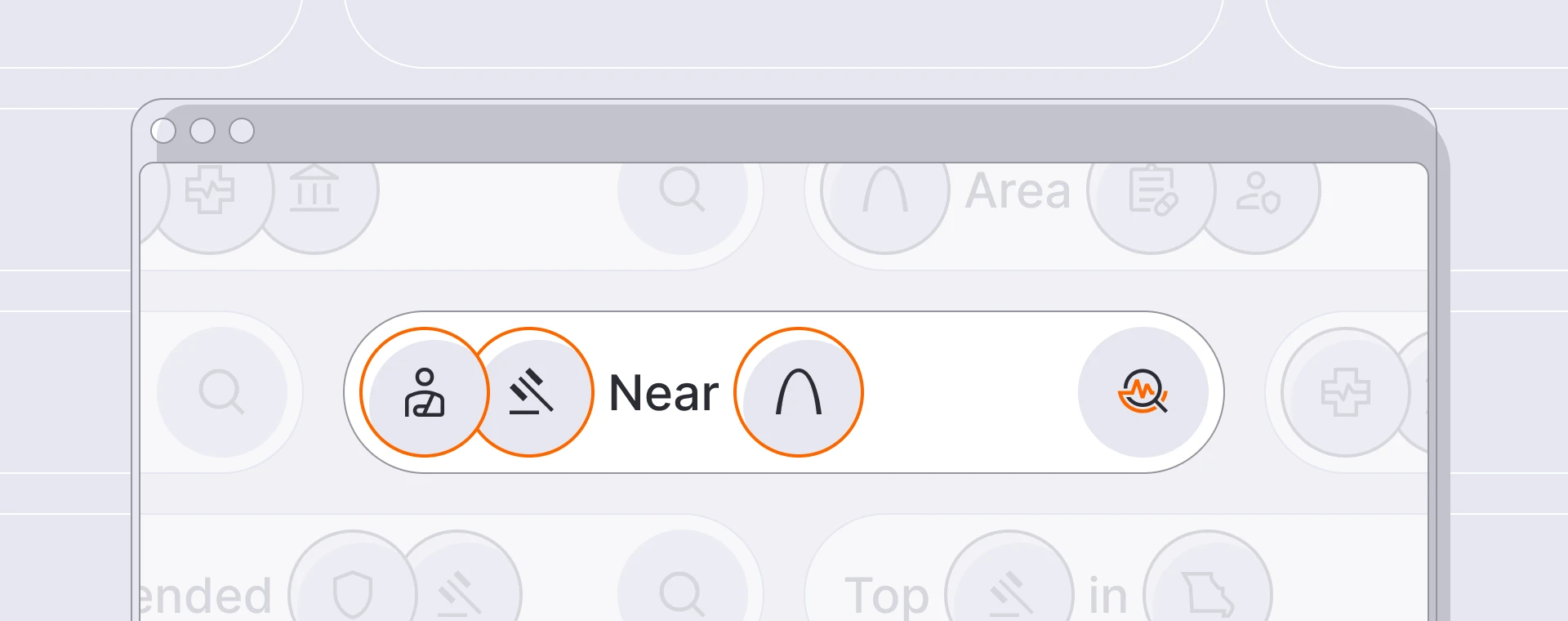
Local keywords combine practice-area phrases with city, suburb, or neighborhood names, such as “personal injury lawyer Denver” or “slip and fall attorney in Queens.”
Nearly 70% of personal injury searches carry local intent. More than 75% of personal injury searches now happen on mobile devices, and “near me” queries have surged over 500% since 2015. Most personal injury clients prefer hiring locally, making geo-modified keywords like “Atlanta personal injury attorney near me” essential.
Using targeted local keywords improves conversion rates because people searching for specific legal services are more likely to contact a lawyer than those browsing general legal topics.
Build a location matrix:
- Major cities where you practice
- Office locations
- Key suburbs
Map specific keywords to dedicated, locally-optimized location pages instead of stuffing multiple cities on one generic page. Apply these keywords in your Google Business Profile, title tags, meta descriptions, H1s, and on-page copy, supported by real local proof (photos, reviews, case stories).
Informational Keywords that Support Trust and Conversion
Informational personal injury keywords, like “how long does a car accident claim take in Texas” or “what does a personal injury lawyer do”-are top- or mid-funnel but still crucial.
Personal injury law allows victims to seek financial compensation for physical or psychological harm caused by another party’s negligence, recklessness, or intentional misconduct. The primary goal of personal injury law is to make the injured party whole again by covering damages like medical expenses, lost wages, and pain and suffering. Content answering these questions builds authority.
Informational keywords are used by individuals seeking knowledge about personal injury claims and legal rights, helping to build trust and authority for law firms.
Create blogs, guides, and FAQ sections that:
- Answer questions in plain language
- Link directly to related service or contact pages
- Include soft CTAs and internal links to case evaluation forms
While these searches may not convert on the first visit, they build E-E-A-T (Experience, Expertise, Authoritativeness, Trustworthiness) for your domain and support rankings for commercial terms.
Long-Tail and Situation-Specific Personal Injury Keywords
Long-tail injury keywords are longer, specific phrases like “rear-end accident lawyer for Uber driver in Phoenix” or “what to do if insurance denies slip and fall claim.”
Long-tail keywords often convert 2-5 times better than head terms, as they capture specific queries from users who are closer to making a decision. These phrases encode detailed fact patterns and pain points that indicate high purchase intent.
Long-tail keywords are specific phrases that often contain four or more words, capturing detailed user intent and typically resulting in higher conversion rates compared to broader terms. For example, “who pays medical bills after hit and run in Texas” signals someone ready to contact a lawyer.
Mine real-world language from:
- Client intake notes
- Phone transcripts
- Email questions
Turn these into detailed FAQs, blog posts, and support pages. Long-tail keywords are excellent targets for both organic SEO (featured snippets, People Also Ask) and lower-cost PPC campaigns with tightly focused ad groups.
Choosing the Best Personal Injury Keywords for SEO
SEO success in 2026 requires more than dropping “injury lawyer” into headlines-it demands deliberate keyword selection and content architecture.
A repeatable process:
- Start with seed terms from main practice areas
- Expand using keyword research tools
- Filter by intent and difficulty
- Group into content clusters
Map one primary commercial keyword per core page (e.g., “truck accident lawyer [city]”) with a small set of related secondary terms. Use internal linking between practice-area pages, location pages, and informational content to strengthen topical authority.
Using Keyword Research Tools Without Drowning in Data
Tools like Google Keyword Planner, Ahrefs, and SEMrush provide search volume, competitiveness, and CPC data for personal injury terms.
Don’t chase the biggest numbers automatically. Moderate-volume keywords with clear hiring intent and realistic difficulty often yield better ROI.
Use Google Search Console to find queries already bringing impressions and clicks to your personal injury website, then refine content to align better with those phrases.
Revisit keyword data quarterly. Search behavior and CPC in personal injury can shift as laws change, new case types emerge, and competitors adjust their strategies.
Building Content Clusters Around Injury Keywords
A content cluster includes one authoritative pillar page for a practice area (e.g., car accidents) supported by related subpages and blog posts targeting narrower keywords (e.g., hit-and-run, uninsured motorist, whiplash claims).
Clusters help search engines understand your firm is an authority on a topic, improving search results for multiple injury keywords related to that practice area.
Each supporting piece should link back to the main service page using descriptive anchor text with variations of the target keyword. Include jurisdiction-specific nuances (state statutes, deadlines, local courts) to differentiate from generic national articles.
Consider covering diverse case types:
- Slip and fall accidents occur when property owners fail to maintain safe premises, resulting in injuries from hazards like wet floors, uneven pavement, or ice
- Medical malpractice involves complex cases where a healthcare professional provides substandard care that harms the patient, such as a surgical error or misdiagnosis
- Product liability claims hold manufacturers or sellers responsible for injuries caused by defective or dangerously designed products
- Dog bite cases can hold the pet’s owner liable for injuries caused by their animal
On-Page Optimization: Putting Keywords to Work
Using personal injury keywords effectively involves placing them strategically in on-page elements like title tags, headers, and meta descriptions to enhance visibility and click-through rates.
Key placement locations:
- Title tags
- H1 and subheadings
- First 100 words
- Image alt text
- Internal link anchors
- Meta descriptions
Avoid keyword stuffing. Maintain natural language and prioritize clarity for a stressed, injured reader over rigid repetition of phrases.
Technical SEO elements like fast load times, mobile responsiveness, and schema markup (LegalService, LocalBusiness, FAQPage) multiply keyword effectiveness.
Using Personal Injury Keywords in Google Ads and Paid Campaigns
Personal injury CPCs are among the highest in Google Ads, so keyword selection and negative keyword use are essential to avoid wasting budget.
The same strategic categories (high-intent commercial, local, long-tail) apply in PPC but with additional constraints like daily budgets, match types, and quality scores.
Law firm SEO and PPC should share a coordinated keyword strategy so data from one channel (e.g., top-converting ad keywords) informs optimization in the other. Align Google Ads keyword sets with matching, conversion-focused landing pages instead of sending all traffic to the homepage.
Identifying High-Intent PPC Keywords for Injury Lawyers
Spot bottom-of-funnel keywords in Google Ads tools: phrases that include “lawyer,” “attorney,” “law firm,” specific accident types, and strong local modifiers like neighborhoods and “near me.”
Commercial keywords indicate a user is ready to take action, such as “hire a personal injury attorney,” and are crucial for converting searchers into clients.
Best practices:
- Create tightly themed ad groups (separate for car accident lawyer, truck accident attorney, motorcycle accident lawyer)
- Geotarget to specific service areas
- Mirror keyword language in ad copy
- Include strong offers: “no fee unless we win,” “24/7 response,” “free case evaluation” where bar rules permit
Track calls and form submissions back to individual keywords to know which phrases earn their CPC.
Negative Keywords and Wasteful Clicks
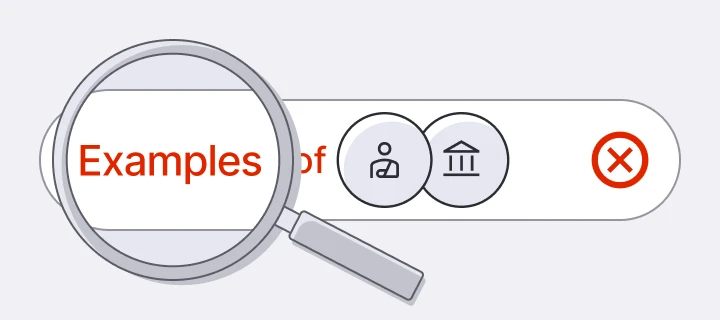
Negative keywords filter out irrelevant searches. In personal injury campaigns, exclude terms like:
- “pro bono”
- “free legal advice”
- “jobs” / “salary”
- “DIY lawsuit forms”
- “definition”
- “examples for class”
- “template demand letter”
Review the Search Terms report regularly (weekly or monthly, depending on budget) to identify low-intent phrases that should be added as negatives. Systematic negative keyword management often reduces cost per qualified lead significantly without increasing overall budget.
Aligning Ads, Keywords, and Landing Pages
Google rewards relevance when ads, keywords, and landing pages share the same themes and language-lowering CPC and improving ad position.
Build dedicated landing pages for key commercial terms (e.g., “truck accident lawyer [city]”) that:
- Repeat the core keyword in headings and copy
- Focus visually on clear CTAs
- Display proof elements (testimonials, verdicts, badges)
A/B test different versions of headlines, contact forms, and calls to action.
How Local SEO and Google Business Profile Support Your Injury Keywords
For personal injury firms, appearing in the Google Map Pack is often as valuable as traditional organic rankings for high-intent local keywords.
Local signals-Google Business Profile optimization, citations, reviews, and proximity-work together with on-site injury keywords to determine visibility. Your keyword strategy should be reflected consistently across your GBP categories, descriptions, posts, and photos, not just on your website.
Optimizing Google Business Profile Around Target Keywords
Use “Personal Injury Attorney” or the closest equivalent as the primary GBP category, with secondary categories aligned to key practice areas like “Car Accident Attorney” or “Trial Attorney.”
Weave target keywords naturally into:
- Business description
- Services list
- Google Posts
Regularly publish short updates (case outcomes, community events, FAQs) that reference priority phrases such as “injury lawyer in [city] offering free consultations.”
Real client reviews that mention practice areas and locations organically reinforce relevance signals for injury keywords.
Citations, Directories, and Local Proof
Consistent NAP (name, address, phone) data across reputable legal directories and local business listings helps map your firm to the right geography and keyword categories.
Prioritize authoritative directories and community sites rather than chasing hundreds of low-quality listings. Include short, keyword-aware descriptions in profiles (e.g., “personal injury law firm representing car accident victims in Kansas City since 2003”) while staying compliant with bar rules.
Add local proof-photos of the office, staff and local landmarks to strengthen perceived relevance for geographic queries.
Keyword Types and Practices Personal Injury Firms Should Treat with Caution
Not every term containing “personal injury” or “injury lawyer” is worth pursuing. Some are ethical risks, some are cost sinks, and some are simply misaligned with your business.
Focusing on the wrong keyword categories can delay ROI by months, especially in competitive markets where ranking or bidding is expensive.
Low-Intent or Research-Only Keywords
Examples include:
- “personal injury law definition”
- “personal injury examples”
- Broad terms without implied action
These attract students, journalists, or casual researchers, not potential clients. They can be useful for top-of-funnel content only if you have a plan to nurture visitors into leads via email capture, remarketing, or educational sequences.
Avoid bidding on these in Google Ads for most firms. They generate expensive clicks with very low conversion rates. For SEO, pursue them selectively when they support an existing content cluster, and you have mid- and bottom-of-funnel assets to capture visitors later.
Overly Broad, Non-Local Head Terms
Examples include “personal injury lawyer,” “injury attorney,” or “accident lawyer,” without geographic modifiers. These are dominated by national brands, directories, and long-established authorities.
For most local and regional personal injury firms, the cost and time required to compete on these head terms is rarely justified compared to more focused, local variations.
Use these broad phrases as secondary or supporting terms on key pages rather than standalone primary targets. Adding a city or specific case type (e.g., “boating accident lawyer [city]”) often yields a far better balance of difficulty and conversion value.
Ethically Risky Superlatives and Promises
Phrases like “best personal injury lawyer in [state],” “#1 accident attorney guaranteed,” or keywords implying guaranteed outcomes can conflict with bar advertising rules in many jurisdictions.
While users do search for terms like best personal injury lawyer and rated personal injury lawyers, firms must use compliant language in both SEO copy and PPC ads. Substitute facts (years of experience, verdicts, recognitions) for unsupported claims.
Consult state bar guidelines before embedding superlatives prominently in keyword-driven headings, ad copy, or Google Business Profile descriptions.
Irrelevant Practice Areas and Mismatched Keywords
Bidding on or trying to rank for personal injury adjacent terms, such as workers’ compensation, SSDI, or medical malpractice attorney, when your firm does not handle those matters, leads to wrong-fit leads and ethical concerns.
Be honest about your bread-and-butter cases (e.g., motor vehicle accidents, premises liability, catastrophic injury like spinal cord injury attorney work) and focus your keyword strategy there. If planning to grow into new practice areas like wrongful death attorney services, phase in those keyword targets only after building real capabilities and relevant content.
An experienced agency can help segment campaigns and landing pages so each keyword group matches the right team and intake path.
Measuring Keyword Success: From Rankings to Signed Cases
Keyword performance should ultimately be judged on consultations booked and matters opened, not just impressions or average position.
Track a simple funnel for each major keyword group:
| Stage | Metric |
|---|---|
| Impressions | How often your content appears |
| Clicks | Visits to your site |
| Calls/Forms | Initial contact |
| Consultations | Qualified conversations |
| Signed Cases | New matters opened |
| Fees Collected | Revenue generated |
Use Google Analytics, Google Search Console, call tracking platforms, and CRM systems to tie leads back to specific keyword themes. Effective strategies for personal injury claims include documenting damages, avoiding early settlement traps, and engaging legal expertise. Keywords that connect to these topics often perform well.
Review keyword performance at least quarterly. Reallocate SEO effort and PPC budget toward high-performing terms and prune underperforming categories. Maximizing personal injury compensation requires preserving immediate evidence and carefully managing interactions. Content supporting these topics often converts well.
Choosing a Marketing Partner to Find and Leverage the Best Personal Injury Keywords
Most law firms don’t have the in-house bandwidth to conduct in-depth keyword research, build content, manage Google Ads, and track ROI across all campaigns.
A capable partner should go beyond handing over a spreadsheet of PI keywords. They should connect those keywords to a full strategy across search engine optimization, local SEO, PPC, UX & CRO, and analytics.
What Timmermann Group Looks At When Designing Your Keyword Strategy
Timmermann Group has over 20 years of marketing experience, with proven results with attorneys. Our process begins by auditing the personal injury law firm’s website, Google Business Profile, and existing Google Ads to understand current keyword coverage and performance.
The process includes:
- Reviewing intake data to identify which queries already drive signed cases
- Using keyword research tools to expand around proven terms
- Building integrated plans with SEO-focused content clusters, local SEO assets, conversion-oriented landing pages, and tightly structured PPC campaigns
Personal injury SEO keywords can be categorized into four major types: practice-area keywords, location-based keywords, long-tail and question keywords, and branded and competitor keywords. TG tracks results at the level of cost per consultation and cost per signed case, not just cost per click, and refines the keyword mix continuously.
Questions to Ask Any Prospective Marketing Partner
When evaluating agencies, ask:
- How do you connect keyword research to revenue, not just rankings?
- How often do you report, and what metrics do you track?
- Do you manage both SEO and PPC for personal injury firms?
- Can you share examples where adjusting keyword focus improved lead quality?
- How do you handle bar compliance in copy and keywords?
Ready to stop guessing about which injury keywords deserve your budget?
Schedule a free consultation to audit your current keyword portfolio and build a strategy that delivers signed cases based on the keywords that will actually deliver more revenue.
Personal Injury Keyword FAQs
These FAQs address practical questions law firms ask after understanding the basics of personal injury keyword strategy. Answers are concise, actionable, and focused on real-world application.
How many personal injury keywords should a smaller law firm focus on at the start?
Start with a manageable set: 10–15 primary commercial keywords tied to core practice areas and locations, plus 20–30 supporting informational or long-tail phrases for blogs and FAQs.
Build deep, authoritative content around a few carefully chosen themes rather than scattering thin pages across dozens of unrelated keywords. Expand the keyword set only after the initial group shows traction in rankings, traffic, and lead generation.
TG can help prioritize those initial target keywords based on case value, competition, and existing website authority.
How long does it take to see results from new personal injury keywords?
Timelines vary by market size and competition. Many firms see early movement on long-tail and local phrases within 2–4 months if the site is technically sound.
Ranking well for competitive commercial keywords like “car accident lawyer [city]” can take 6–12 months or longer in large metros. PPC can generate leads much faster (days to weeks) if the right keywords, ad copy, and landing pages are aligned.
Measure progress not just by search engine results pages rankings but by month-over-month changes in leads tied to target keyword themes.
Do we need separate pages for each city and injury type?
Dedicated pages for major locations and high-value case types usually perform better than generic, catch-all pages. Each page should offer unique, locally relevant content and clearly target a specific keyword, such as “best motorcycle accident lawyer in Tampa.”
Avoid mass-producing near-duplicate city pages. Focus on real service areas and build depth first. Practice-area keywords specify the type of accident or injury, while location-based keywords include geographic modifiers to target local clients. Combining them effectively requires thoughtful page architecture.
Can we use the same personal injury keywords for both SEO and Google Ads?
Many high-value phrases (e.g., “truck accident lawyer [city]”) make sense in both channels, but PPC requires more granular grouping and the use of negative keywords.
Align SEO content and PPC landing pages around the same core themes so both channels reinforce each other. PPC data on which keywords drive calls and forms can inform SEO priorities and content planning.
TG routinely uses shared keyword frameworks across SEO, local SEO, and Google Ads to maximize cross-channel learning and ROI.
How do we know if our current personal injury keywords are underperforming?
Signs include:
- High traffic with few calls or form submissions
- Many impressions but low click-through rates
- Strong rankings for terms that don’t match your actual personal injury case mix
Audit top landing pages and Google Ads campaigns to see which keywords generate meaningful leads versus bounces. Segment performance data by keyword theme (car accidents vs. slip and fall) to identify areas deserving more investment or a strategy pivot.
Additionally, remember that maintaining medical records is essential; medical treatment should be timely and well-documented. Keeping a pain journal helps document the daily severity of pain and how injuries prevent normal activities. These details matter because insurance adjusters actively monitor social media, which can undermine the severity of claimed injuries if normal activities are posted. The first offer from an insurance company is usually a lowball offer; claimants should not rush to settle until they understand their full medical needs. These realities explain why the right personal injury lawyer cost considerations matter for clients searching and why your content should address these concerns.