AI Overview Statistics: Data, Trends & What They Mean for Your SEO
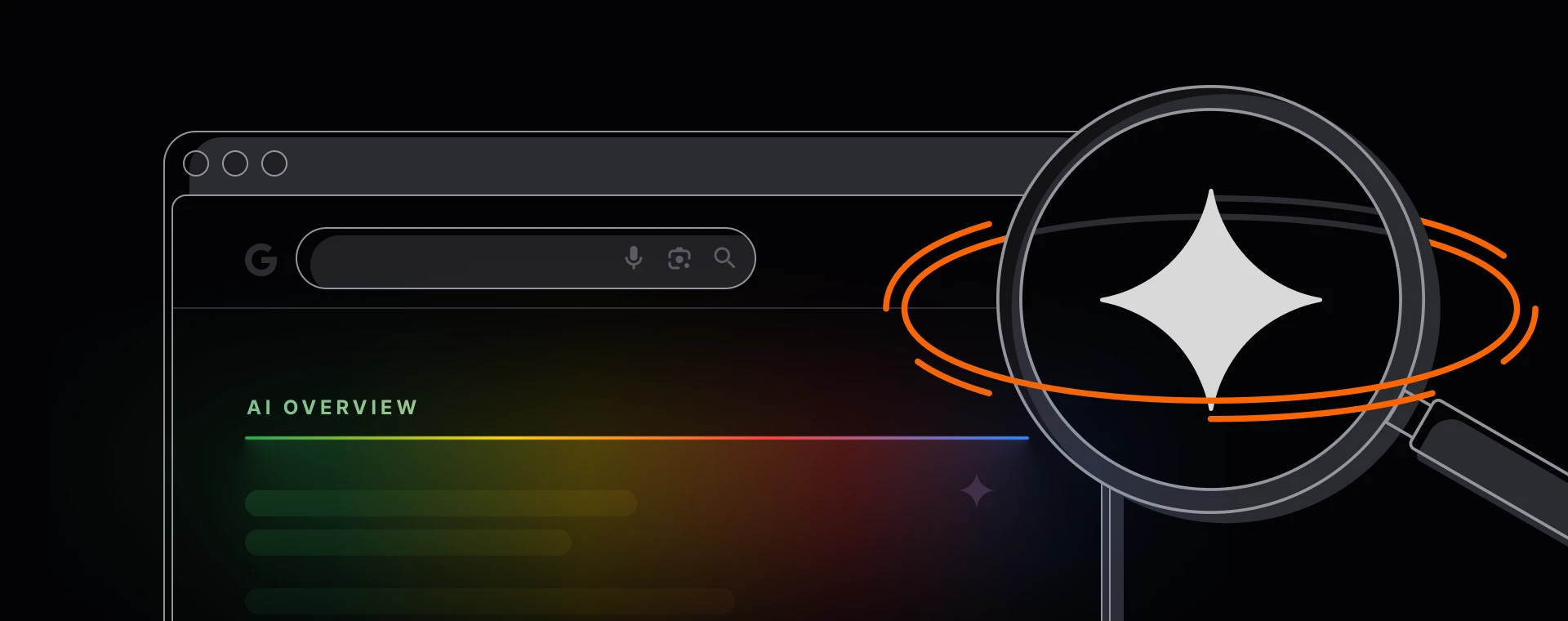
Since Google rolled out AI Overviews in beta during May 2024 and expanded them broadly through 2025, the search landscape has fundamentally shifted. AI overviews are AI-generated summaries that appear at the top of search results, pulling information from multiple sources to answer queries directly on the SERP. For marketers and business owners, this represents one of the most significant changes to search since mobile-first indexing.
These AI summaries aren’t just a cosmetic change. They’re reshaping how users interact with search engines, how traffic flows to websites, and ultimately, how businesses generate leads and revenue from organic search.
AI Overviews in 2025: Executive Summary of the Key Stats
Here are the statistics that should command your attention:
- 55% of Google searches now display an AI Overview in some form, depending on query type and device
- Organic CTR drops 34.5% on queries where AI Overviews appear compared to traditional search results
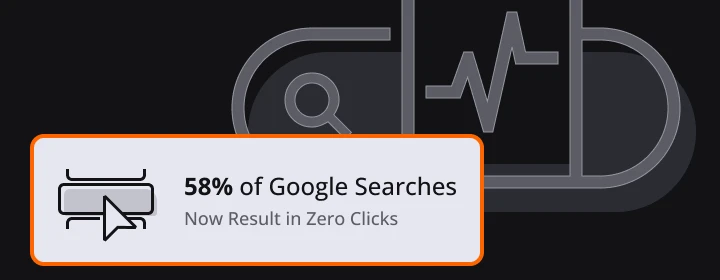
- 58% of Google searches now result in zero clicks, with AI generated summaries contributing significantly to this trend
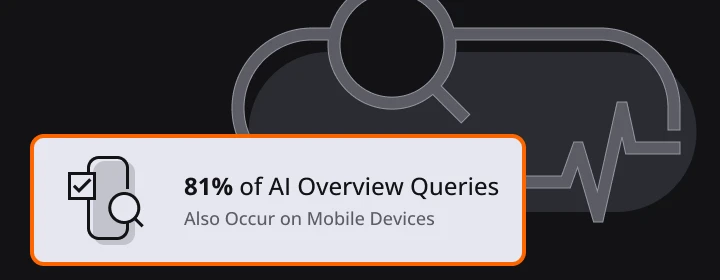
- 81% of queries triggering AI Overviews occur on mobile devices, making mobile-first optimization non-negotiable
- 72% of companies have adopted AI in at least one business function, signaling broader market readiness for AI-driven experiences
- 63% of businesses report positive impacts on visibility when they optimize correctly for AI search
The core business problem is clear: fewer clicks from search, more answers delivered directly on the SERP, and an urgent need for integrated strategies spanning SEO, PPC, UX/CRO, and analytics to maintain growth.
At Timmermann Group, we approach these shifts through the lens of measurable, sustainable growth. Our flywheel marketing methodology—adding force while removing friction—is particularly relevant as brands navigate AI-powered search engines. The data in this comprehensive overview will help you understand what’s happening and, more importantly, what to do about it.
How Often Do Google AI Overviews Appear in Search Results?
Understanding the current prevalence of AI Overviews across different markets and devices is essential for calibrating your seo strategy. Let’s examine the data on where and how often these AI generated responses appear.
Global Prevalence Data (2025):
- AI Overviews appeared in approximately 6.49% of queries globally in January 2025
- By March 2025, this grew to 13.14%, representing a 72% increase in just two months
- The fastest growth occurred in informational queries and certain commercial categories
U.S. and Regional Statistics:
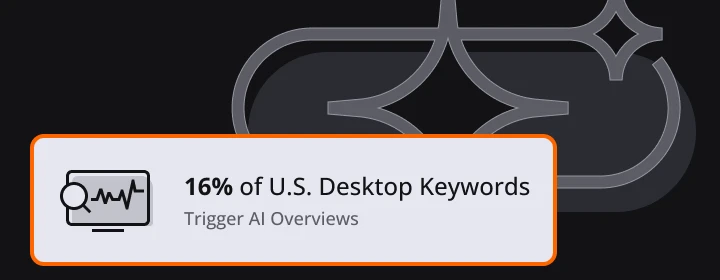
- AIOs appear in about 16% of U.S. desktop keywords
- India shows similar saturation at approximately 16.5%
- Brazil follows closely at 15.5%
- UK markets show slightly lower penetration at 12.5%
Broader Estimates:
Some datasets indicate AIOs appearing in up to 55% of Google searches when including mobile queries and specific query types. The variation in reported figures stems from differences in methodology—whether studies track desktop versus mobile, all queries versus specific verticals, or sample sizes across different time periods.
Device Split—The Mobile Dominance:
- 81% of queries that trigger an AI Overview occur on mobile devices
- This statistic alone underscores why mobile-first SEO and UX isn’t optional
- Many users on mobile devices are accessing AIOs as their primary information source
| Region | AIO Presence (Desktop) | Notes |
|---|---|---|
| United States | ~16% | Highest early adoption |
| India | ~16.5% | Similar to U.S. patterns |
| Brazil | ~15.5% | Strong presence in Portuguese |
| United Kingdom | ~12.5% | Growing steadily |
| Global Average | ~13% | March 2025 data |
What Kinds of Queries Trigger AI Overviews?
Query intent, length, complexity, and even keyword economics all influence whether Google AI generates an overview. Understanding these patterns helps you segment your keyword research and decide where to embrace AIO exposure versus where to defend traditional search results clicks.
Intent Breakdown:
- 90–100% of AIOs appear for informational queries—users asking “what,” “how,” and “why” questions
- Only 6–10% trigger for commercial queries where purchase intent exists
- Transactional queries and navigational queries together rarely exceed 4% of AIO appearances
- However, 2025 data shows a shift toward broader coverage of lower-funnel, transactional keywords
Query Length Matters:
- Queries with 8+ words are approximately 7x more likely to trigger an AI Overview than very short queries
- This aligns with long-tail SEO patterns where informational intent dominates
- Short, high-volume head terms see fewer AI overviews show up
Keyword Difficulty and Volume Patterns:
- A “typical” AIO-triggering keyword has difficulty around 12 and search volume around 500
- About 60% of keywords triggering AI overviews have under 100 monthly searches
- Many fall in the 21–60 difficulty range, representing moderately competitive terms
CPC and Commercial Patterns:
- Keywords with average CPC between $2–$5 are most likely to trigger AIOs (about 32% of the time)
- Very high-CPC terms ($10+) see much lower AIO penetration at approximately 17%
- This suggests Google Ads and AIOs currently compete less directly at the highest-value queries
Technical and Niche Queries:
- Queries containing technical jargon or industry-specific terminology are 48% more likely to generate AI Overview responses
- This has implications for B2B marketers targeting informational keywords with specialized content
When developing keyword strategies at Timmermann Group, we segment research by intent, query length, and CPC to determine where clients should optimize for AIO citation versus where defending organic results positions makes more sense.
How AI Overviews Interact with Other SERP Features
AI Overviews rarely appear in isolation. They co-exist with People Also Ask boxes, Related Searches, and other SERP features that collectively crowd the page and push traditional results further down.
Overlap with Other Features:
- 81–90% of AIO SERPs also display a “People Also Ask” box
- 95% show Related Searches
- Discussion/forum blocks and video carousels are common companions
- This creates a highly competitive above-the-fold environment
Displacement of Brand-Controlled Elements:
When AI Overviews appear, other features are significantly reduced:
- 96% fewer sitelinks appear on AIO SERPs
- 84% fewer videos are displayed
- 75% fewer Knowledge Panels show up
This displacement means brand-controlled modules that previously dominated search results are being pushed aside by ai generated summaries.
Visual Dominance:
- AIOs occupy approximately 42% of desktop screen real estate
- On mobile, they consume roughly 48% of the screen
- Most AI overviews appear above the fold, pushing organic results and Google Ads below the initial view
PPC Implications:
- Google Ads presence on AIO SERPs rose from less than 1% in March 2025 to approximately 25% by November 2025
- Click-through rates for both organic and paid listings decline when AIOs are present
- This demands more integrated SEO + PPC + CRO planning to account for reduced above-the-fold visibility
User Behavior and Trust: How People Are Actually Using AI Overviews
Google’s AI overviews are fundamentally changing how users scan, click, and trust search results—especially on mobile and among younger demographics who represent high-value customer cohorts.
Reading Patterns:
- Approximately 70% of searchers read only the first 30% of an AI Overview
- Despite limited reading, 88% still click “show more” even if they don’t fully consume the expanded content
- Users skim for quick answers, then decide whether deeper engagement is needed
Trust and Adoption:
- About 70% of consumers say they “somewhat trust” generative AI search results
- Yet 75% simultaneously worry about misinformation—a notable tension
- Around 79% expect to use AI-enhanced search within the next year
- Consumer trust sits at 65% for businesses using AI, with only 14% expressing distrust
Demographic Patterns:
- 25–34-year-olds on mobile use AIOs as the final answer about 50% of the time
- This indicates high reliance among younger, high-value cohorts
- Older demographics (61+) engage differently, with 30.8% using AI-powered voice assistants weekly
Device Behavior:
- Over four-fifths of AIO-triggering queries occur on mobile
- Mobile UX must support fast, high-intent paths from SERP to conversion
- Many users complete their entire search journey without ever leaving the SERP
User Behavior Takeaways for Marketers:
- Write concise, answer-first copy that captures attention in the first 30% of content
- Use strong headings and scannable lists that LLMs can parse
- Implement schema markup (FAQ, HowTo, Product) to increase citation likelihood
- Design mobile experiences assuming users arrive with partial answers already consumed
Traffic and CTR Impact: Are AI Overviews Killing Clicks?
This section focuses on measurable performance shifts: click-through rates, traffic loss, and the emerging zero-click behavior that’s concerning marketing leaders across industries.
CTR Declines:
- Top-ranking pages experience a 34.5% reduction in CTR on queries with AIOs (based on 300,000+ keyword studies)
- The top four positions specifically see approximately a 7% CTR drop
- Top-ranking sites that previously dominated informational keywords are most affected
Traffic Swings:
- Some sites report 20–40% organic traffic declines after AIO rollout
- Individual cases document drops as severe as 41% (reported by SEO practitioners in 2024)
- The impact varies significantly by industry and content type
Zero-Click Trend:
- 58% of Google searches now result in zero clicks
- AI Overviews are a major contributor, but not the sole cause
- Featured snippets, knowledge panels, and direct answers also play roles
- This represents a fundamental shift in how Google users interact with search
The Positive Side:
Not all the news is concerning:
- 63% of businesses report positive impacts on organic traffic, visibility, or rankings from AI Overviews since May 2024, when they optimize correctly
- Brands mentioned as sources cited in AIOs often see increased brand awareness
- Some organizations are capturing new visibility that they didn’t have in traditional search results
Future Projections:
- Organic CTRs may decline another 25% by 2026 due to continued AIO growth
- This emphasizes the urgency of diversifying traffic sources across PPC, social, email, direct, and owned media
At Timmermann Group, we audit and monitor AIO impact using analytics, search console data, and visibility tools, then adjust SEO, PPC bidding, and CRO tactics accordingly to maintain search performance.
Industry and Query-Type Differences: Who’s Most Affected?
AI Overviews don’t impact all industries equally. Some verticals and query types see far more disruption than others, making it essential to understand where your business sits in this shifting landscape.
Industries with High AIO Saturation:
| Industry | AIO Saturation | Notes |
|---|---|---|
| Science | ~25.96% | Highest percentage of queries with AIOs |
| Computers & Electronics | ~21% | Technical informational queries dominate |
| People & Society | ~17–26% | Broad informational coverage |
| Health (variable) | ~15–20% | Google has pulled back in some sensitive categories |
Industries with Low AIO Saturation:
- Real Estate: under 5% of queries trigger AIOs
- Shopping/ecommerce searches: under 3% in most cases
- Arts & Entertainment: under 3% saturation
Growth and Pullback Patterns:
In 2025, Google rapidly expanded AIO coverage to more commercial and navigational queries, then pulled back in some sensitive categories (particularly Health), creating volatility from quarter to quarter. This inconsistency makes ongoing monitoring essential.
Local Search:
- AIOs appear in only about 7% of local queries
- Local SEO (map pack optimization, reviews, NAP consistency) remains relatively insulated
- Local queries still favor traditional local pack results
Vertical Expansion Examples (Year-over-Year):
- B2B technology queries with AIOs: 36% → 70% (share rose dramatically)
- Insurance queries: 17% → 63%
- Entertainment: 2% → 37%
These figures represent some of the fastest-growing sectors for AI penetration.
Strategic Implications:
- For high-AIO categories: Focus on brand authority, informational content, and AI-friendly structure
- For low-AIO categories: Double down on classic SERP optimization and local search presence
- For volatile categories: Build flexible strategies that can adapt to quarterly changes
Source Patterns: Who Gets Cited in AI Overviews?
Understanding which domains and content types AIOs cite helps shape your content strategy and authority-building efforts. The data reveals patterns that challenge some traditional SEO assumptions.
Self-Referencing Patterns:
- About 43–44% of AIOs link back to Google’s own properties or to pages already in Google’s top results
- This reinforces the importance of existing organic strength as a foundation
Ranking Position vs. Citations:
- Approximately 40% of AIO sources would normally rank in positions 11–20 (not the top 10)
- Top 1–3 organic rankings in ecommerce only have about an 8% chance of being cited
- This suggests AIOs use different selection criteria than traditional ranking algorithms
Domain Concentration:
- The top 50 domains capture nearly 30% of all AIO mentions
- Heavy bias toward high-authority brands with strong E-E-A-T signals
- Industry leaders with established expertise dominate citations
User-Generated and Expert Sources:
- Reddit: ~5.5% of AIOs cite Reddit discussions
- Quora: ~4% of citations
- NIH.gov: ~1.8% (medical/academic authority)
- WebMD: ~1.5%
- YouTube: notable presence for video-related queries
Ecommerce Visibility:
- Only 0.3–4% of AIOs include ecommerce links
- 80% of ecommerce sources cited in AIOs don’t rank organically for those same keywords
- This indicates a different selection logic for product pages versus informational content
Number of Sources Per Overview:
- Typical range: 6–14 sources per AIO, with 9 being most common
- Short AIOs (under 600 characters): cite approximately 5 sources
- Very long AIOs (over 6,600 characters): cite up to 28 sources
- Most AI overviews pull from a broader set of pages than a single source
Authority-Building Recommendations:
- Build topical authority through comprehensive content clusters
- Strengthen E-E-A-T signals across your site
- Create a mix of expert-driven and community-informed content
- Focus on brand mentions and brand presence across authoritative platforms
- Don’t rely solely on traditional ranking positions for AIO visibility
Content Format and UX Inside AI Overviews
AI Overviews display consistent formatting patterns: lists, short paragraphs, specific word count limits—that marketers can emulate on their own pages to increase the likelihood of being cited and effectively summarized.
List Usage Dominates:
- About 78% of AIOs use list-based formatting
- 61% specifically use unordered (bullet) lists, even for content that might logically be ranked or step-based
- This structure helps AI systems parse and summarize content efficiently
Ordered Lists Are Rare:
- Only 12% of AIOs use numbered lists
- These appear primarily when step-by-step instructions are required
- How-to content should still use numbered steps for clarity
Paragraph-Only Overviews:
- Roughly 22% of AIOs rely on short paragraph blocks without lists
- Typically used for definitions or simple factual answers
- These tend to be shorter and more direct
Average Length:
- The typical AI Overview is approximately 157 words
- 99% stay under 328 words
- Two thirds fall between 150 and 200 words
- Concise, focused content performs best
Screen Coverage:
- AIOs occupy nearly half the screen on both desktop and mobile
- Users may read the AI summary before seeing your meta description
- Above-the-fold real estate is increasingly dominated by AI-generated content
On-Page Recommendations:
Based on these patterns, optimize your content with:
- Concise introductions that answer the query in the first 50-100 words
- Answer-first headings that front-load key information
- Scannable bullet lists for complex topics
- Schema markup (FAQ, HowTo, Product) that LLMs can easily parse
- Strong internal structure with clear hierarchy
- Short paragraphs (2-3 sentences maximum)
These observations translate directly into content audit checklists our team at Timmermann Group uses when optimizing client pages for visibility in AI search environments.
Regional and Language Expansion of AI Overviews
Google’s AI Overviews expanded dramatically in geographic and linguistic scope between 2024 and 2025, influencing global SEO and multilingual strategy for brands operating internationally.
May 2025 Expansion:
- Google expanded AI Overviews to users in approximately 200 countries
- Support now includes 40+ languages
- Major additions include Arabic, Chinese, Malay, and Urdu
Earlier Testing Phases:
- Initial testing was primarily in the U.S. and a handful of English-speaking markets
- Gradual rollout allowed Google to refine the feature before broader deployment
- Past year data shows consistent expansion patterns
Current Regional Adoption:
- Data shows broadly similar AIO adoption rates in markets like India and Brazil compared to the U.S.
- Some European markets show slightly lower saturation
- Language-specific variations exist based on available training data
Implications for Multinational Brands:
- Consistent messaging across markets becomes more critical
- Localized content strategies must reflect the same expertise and trust signals as English content
- Local-language pages need strong E-E-A-T signals
- Keywords in non-English languages may see different AIO penetration rates
Prioritization Framework:
When advising clients, Timmermann Group helps prioritize which markets and languages to optimize for AI powered search first, based on:
- Market demand and search volume
- Competitive landscape in each region
- Current AIO penetration levels
- Business priority and revenue potential
What AI Overview Statistics Mean for Your Marketing Strategy
The data in this comprehensive overview points to a fundamental truth: AI Overviews are shifting search from the familiar “10 blue links” model to an “answer-first” paradigm. This changes how brands must think about visibility, clicks, and conversions across the entire digital marketing funnel.
SEO Implications:
Ranking alone is no longer enough. Brands must optimize for being summarized and cited by AI:
- Structure content for easy parsing by AI systems
- Build strong E-E-A-T signals (Experience, Expertise, Authoritativeness, Trustworthiness)
- Develop topic clusters that establish comprehensive authority
- Focus on informational intent content that naturally attracts more queries with AIOs
- Monitor AIO presence across your priority keywords
PPC and CRO Implications:
Lower CTRs and increasing zero click rates demand efficiency gains:
- More strategic ad spend allocation based on AIO presence
- Better landing page experiences to convert the clicks you do earn
- Stronger conversion optimization to extract more value from fewer visitors
- Integration between paid and organic strategies
Channel Diversification:
Building resilient flywheel marketing means reducing dependence on any single source:
- Invest in email marketing for direct audience relationships
- Develop a social media presence that drives owned traffic
- Create content that builds brand recognition beyond search
- Strengthen direct and referral traffic channels
Measurement Evolution:
Traditional rank-and-click KPIs need expansion:
- Track impressions in AI layers where possible
- Monitor brand mentions in AIOs (whether or not they link to your site)
- Implement multi-touch attribution to understand full customer journeys
- Measure assisted conversions, not just last-click attribution
The Timmermann Group Approach:
Our team helps clients navigate this evolution through:
- AIO Exposure Audit: Analyzing which of your priority keywords trigger AI overviews and whether you’re being cited
- Traffic Risk/Opportunity Modeling: Quantifying potential impact and identifying optimization opportunities
- Integrated Roadmap Development: Building coordinated strategies across SEO, PPC, UX/CRO, and analytics
- Ongoing Monitoring and Adaptation: Tracking the search engine journal of changes and adjusting tactics as the landscape evolves
The brands that act now—adapting content strategy, diversifying channels, and optimizing for this new reality—will capture visibility and market share while competitors scramble to catch up.
Ready to assess your AI search readiness?
Schedule a Consultation with Timmermann Group to audit your current exposure to AI Overviews and build a roadmap for sustainable growth in the evolving search landscape.